Botanical Overview
Chinese Parasol (Firmiana simplex) is a species in the Sterculiaceae family. The sterculia family (Sterculiaceae) includes trees and shrubs with alternate leaves, often with stellate hairs. The flowers have five sepals and petals, and the fruits are typically capsules or follicles. Many species produce mucilaginous substances and have traditional uses as demulcents. Although comprehensive ethnobotanical records are limited, phytochemical studies have identified 12 compounds in this species, suggesting potential medicinal value.
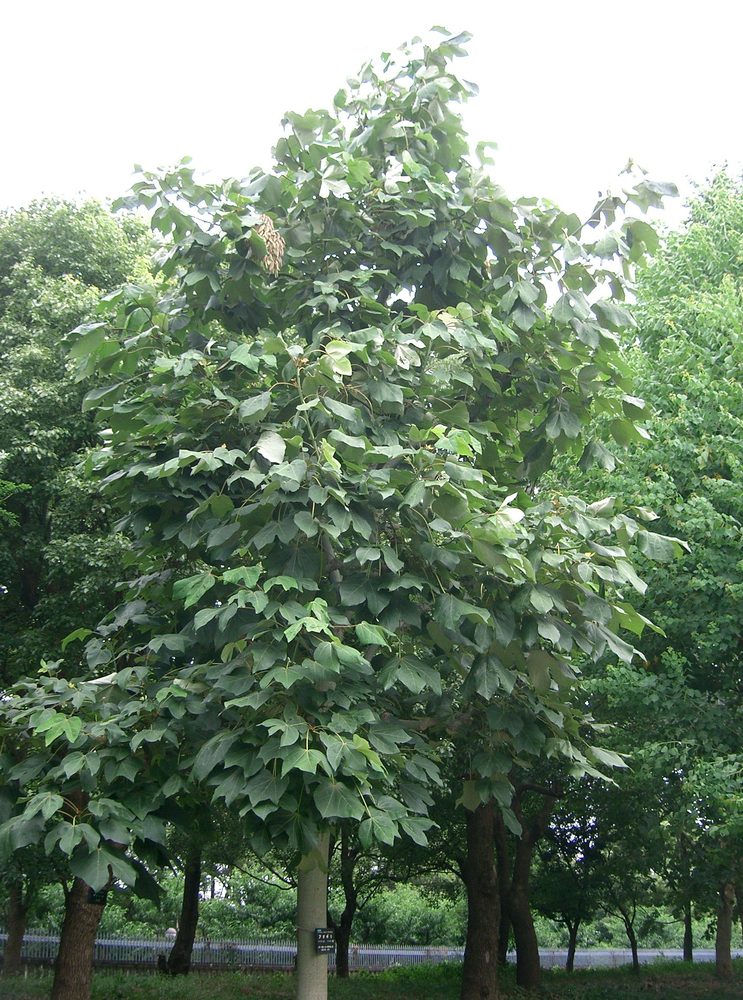
General Description
: godō), is a tree in the family Malvaceae, formerly in the family Sterculiaceae, in the order Malvales, and native to Asia. It grows up to 16 m (52 ft) tall.
Family Context
The Sterculiaceae family is widely distributed. Notable medicinal members include:
- Bay Cedar — 30 documented uses
- Cacao — 22 documented uses
- Raichie — 16 documented uses
- Pterospermum acerifolium — 14 documented uses
Geographic Distribution
Chinese Parasol has been recorded in 10 countries and territories worldwide, including China, Spain, India, Japan, South Korea, and others.
Active Compounds
Phytochemical research has identified 12 compounds in this species, including a diverse array of phytochemical classes (see the Complete Chemical Inventory below for the full list).
The identified compounds include the following categories:
- Alkaloid: nitrogenous compounds with diverse pharmacological activities
Research Status
Although this species has documented phytochemical constituents, its ethnobotanical and clinical documentation remains incomplete. Additional phytochemical investigation could identify novel bioactive compounds in this plant.