Botanical Overview
Japanese Knotweed (Fallopia japonica) is a species in the Polygonaceae family. The buckwheat family (Polygonaceae) includes herbs, shrubs, and vines with swollen stem nodes (joints) and simple, alternate leaves with sheathing stipules called ochreae. The flowers are small and clustered. Many species contain anthraquinone glycosides and tannins. Although comprehensive ethnobotanical records are limited, phytochemical studies have identified 30 compounds in this species, suggesting potential medicinal value.
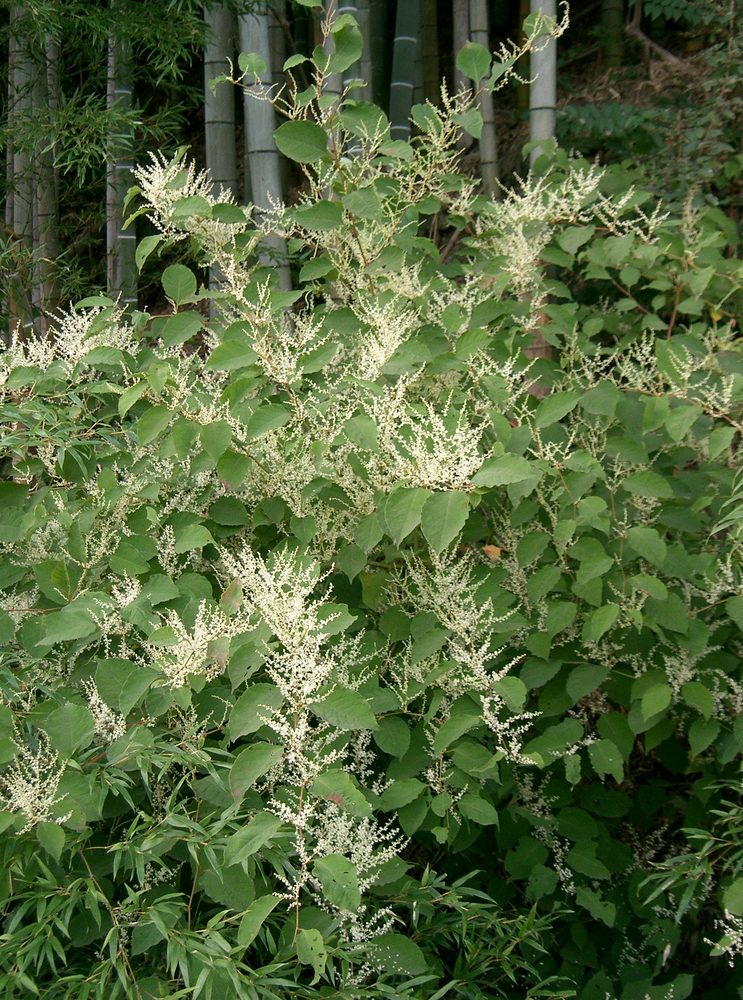
General Description
Common names include Japanese knotweed and Asian knotweed. It is native to East Asia in Japan, China and Korea. In North America and Europe, the species has successfully established itself in numerous habitats; it is classified as a pest and invasive species in several countries. The plant is popular with beekeepers and its young stems are edible, making it an increasingly popular foraged vegetable with a flavour described as lemony rhubarb.
Family Context
The Polygonaceae family is widely distributed. Notable medicinal members include:
- Prostrate Knotweed — 50 documented uses
- Chinese Cornbind — 45 documented uses
- Common Smartweed — 41 documented uses
- Curly Dock — 31 documented uses
Geographic Distribution
Japanese Knotweed has been recorded in 10 countries and territories worldwide, including Austria, Belgium, Germany, France, Ireland, and others.
Active Compounds
Phytochemical research has identified 30 compounds in this species, including a diverse array of phytochemical classes (see the Complete Chemical Inventory below for the full list).
The identified compounds include the following categories:
- Flavonoid: antioxidant compounds that protect cells from oxidative damage
- Phenolic: antioxidant compounds that neutralize free radicals
- Coumarin: aromatic compounds with anticoagulant and anti-inflammatory effects
Research Status
Although this species has documented phytochemical constituents, its ethnobotanical and clinical documentation remains incomplete. Systematic pharmacological studies are needed to validate the traditional uses attributed to this species.