Botanical Overview
Eugenia jambolana belongs to the Myrtaceae family. Limited but reliable traditional records indicate this plant has recognized medicinal applications in one or more healing traditions. The myrtle family (Myrtaceae) includes trees and shrubs with opposite leaves that contain aromatic oil glands. The flowers are showy with numerous stamens, and the fruits are often fleshy berries or capsules. Many species produce essential oils with antiseptic and antimicrobial properties.
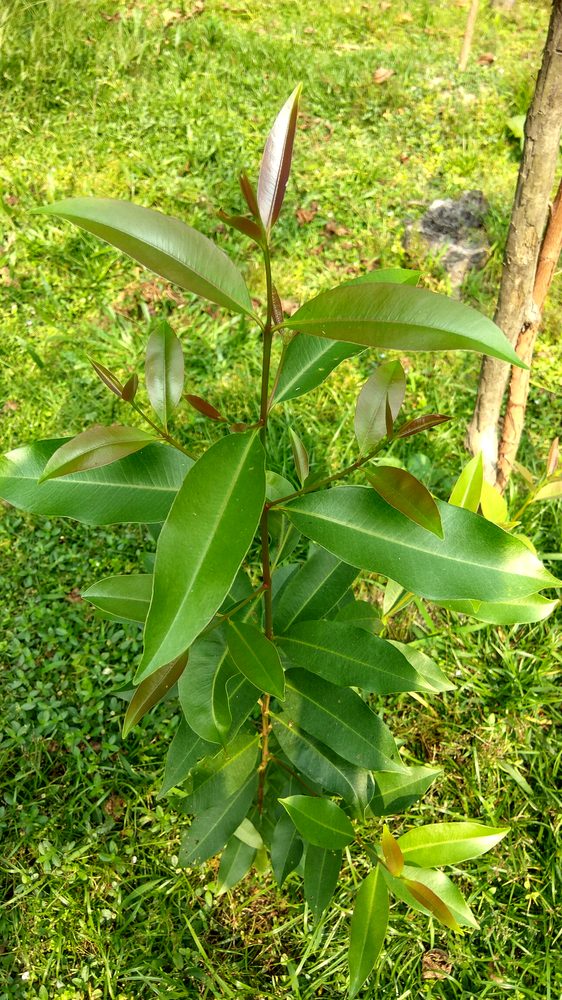
General Description
It is native to the Indian subcontinent and Southeast Asia. It can reach heights of up to 30 m (100 ft) and can live more than 100 years. A rapidly growing plant, it is considered an invasive species in many world regions.
Family Context
The Myrtaceae family is primarily tropical and subtropical. Notable medicinal members include:
- Guava — 57 documented uses
- Melaleuca leucadendron — 49 documented uses
- Clove — 45 documented uses
- Blue Gum — 44 documented uses
Traditional Uses
Eugenia jambolana has been traditionally used for urinary tract health and metabolic and nutritional health.
Urinary tract health.
- Diuretic
Urinary tract applications typically involve drinking the herb as a mild tea, which increases urine production and helps flush the urinary system. It may be combined with other demulcent herbs to soothe irritated tissues.
Metabolic and nutritional health.
- Diabetes
Metabolic applications include consuming the plant as a food, fresh juice, or herbal infusion. Regular use supports the body’s natural metabolic processes and nutritional status.
Active Compounds
Phytochemical research has identified 1 compound in this species: betulinic-acid.