Botanical Overview
California Poppy (Eschscholzia californica subsp. californica) belongs to the Papaveraceae family. Limited but reliable traditional records indicate this plant has recognized medicinal applications in one or more healing traditions. The poppy family (Papaveraceae) includes herbs with milky or colored sap and showy flowers with two or three sepals that fall off as the flower opens. The fruits are capsules with many small seeds. This family produces benzylisoquinoline alkaloids including morphine, codeine, and sanguinarine.
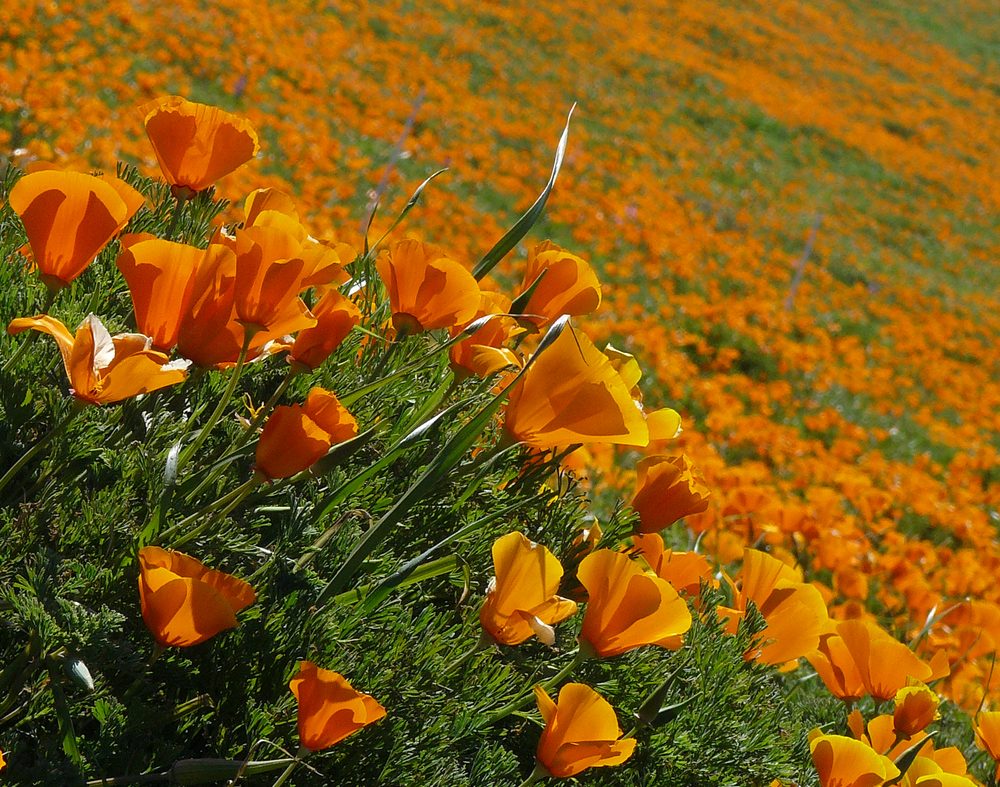
Family Context
The Papaveraceae family is widely distributed. Notable medicinal members include:
- Opium Poppy — 69 documented uses
- Prickly Poppy — 45 documented uses
- Tree Poppy — 30 documented uses
- Bloodroot — 26 documented uses
Geographic Distribution
California Poppy has been recorded in 10 countries and territories worldwide, including Belgium, Canada, Costa Rica, France, Italy, and others.
Traditional Uses
California Poppy has been traditionally used for pain and inflammation.
Pain and inflammation.
- Anodyne
For pain and inflammation, preparations are applied both topically as compresses and taken internally. A warm poultice draws blood to the area and promotes healing, while internal preparations address systemic inflammation.
Active Compounds
Phytochemical research has identified 30 compounds in this species, including a diverse array of phytochemical classes (see the Complete Chemical Inventory below for the full list).
The identified compounds include the following categories:
- Flavonoid: antioxidant compounds that protect cells from oxidative damage
- Sterol: cholesterol-like compounds with anti-inflammatory properties
- Alkaloid: nitrogenous compounds with diverse pharmacological activities