Botanical Overview
Coca (Erythroxylum novogranatense var. truxillense) is a species in the Erythroxylaceae family. The coca family (Erythroxylaceae) includes tropical shrubs and small trees with alternate leaves and small flowers. The plants produce alkaloids concentrated in the leaves, most notably cocaine and related tropane alkaloids. Species in this family have a long history of traditional stimulant and medicinal use in South America. Although comprehensive ethnobotanical records are limited, phytochemical studies have identified 27 compounds in this species, suggesting potential medicinal value.
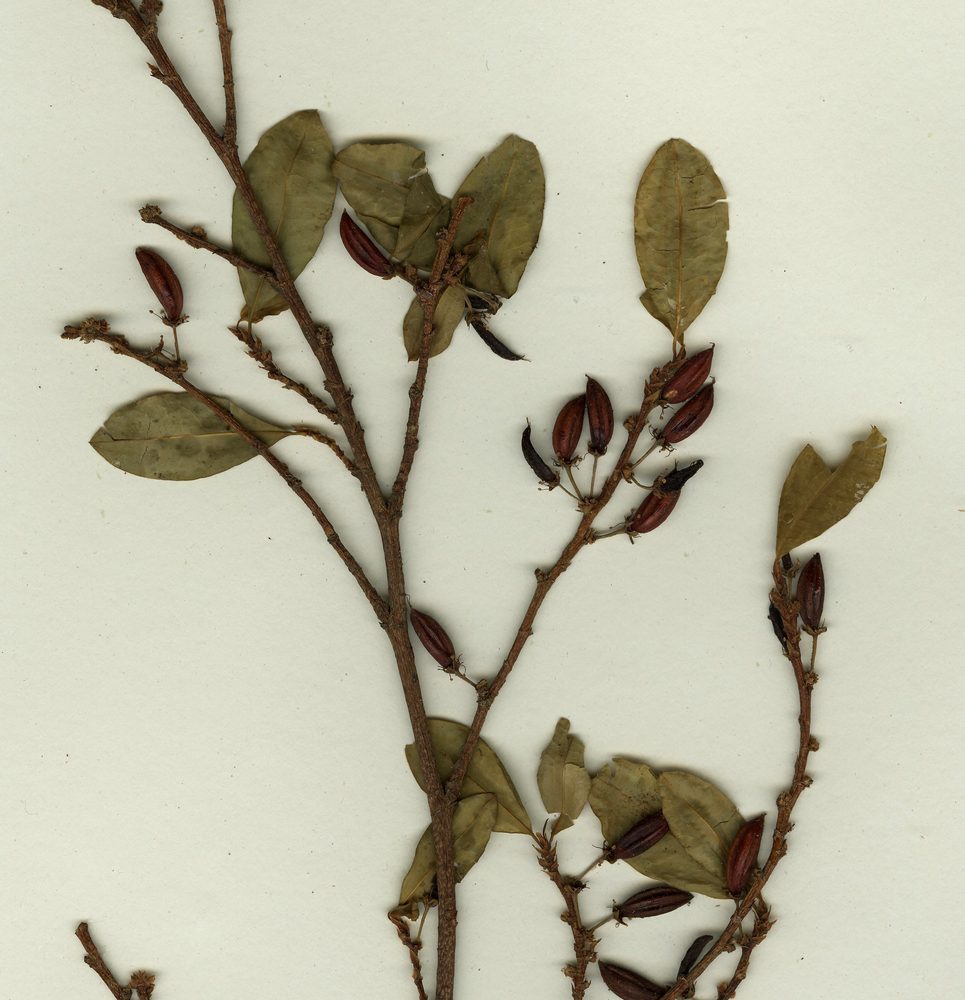
Family Context
The Erythroxylaceae family is primarily neotropical. Notable medicinal members include:
- Coca — 42 documented uses
- Amazonian Coca — 42 documented uses
- Guarda orvalho — 1 documented uses
- Arabillo — 1 documented uses
Geographic Distribution
Coca has been recorded in 6 countries and territories worldwide, including Brazil, Colombia, Ecuador, Peru, United States, and others.
Active Compounds
Phytochemical research has identified 27 compounds in this species, including a diverse array of phytochemical classes (see the Complete Chemical Inventory below for the full list).
The identified compounds include the following categories:
- Flavonoid: antioxidant compounds that protect cells from oxidative damage
- Alkaloid: nitrogenous compounds with diverse pharmacological activities
Research Status
Although this species has documented phytochemical constituents, its ethnobotanical and clinical documentation remains incomplete. The limited documentation available for this species represents an opportunity for ethnobotanical research.