Botanical Overview
Guarda orvalho (Erythroxylum citrifolium) belongs to the Erythroxylaceae family. While not among the most extensively documented medicinal plants, this species has recorded uses that warrant attention from researchers and practitioners. The coca family (Erythroxylaceae) includes tropical shrubs and small trees with alternate leaves and small flowers. The plants produce alkaloids concentrated in the leaves, most notably cocaine and related tropane alkaloids. Species in this family have a long history of traditional stimulant and medicinal use in South America.
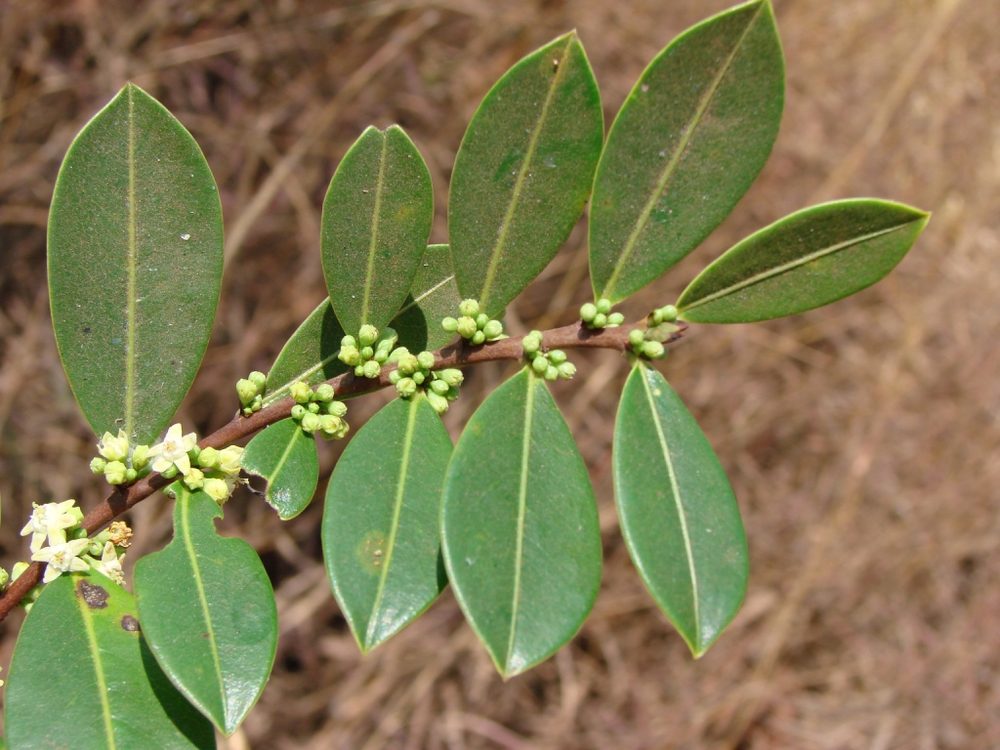
Family Context
The Erythroxylaceae family is primarily neotropical. Notable medicinal members include:
- Coca — 42 documented uses
- Amazonian Coca — 42 documented uses
- Arabillo — 1 documented uses
Geographic Distribution
Guarda orvalho has been recorded in 10 countries and territories worldwide, including Bolivia, Brazil, Colombia, Costa Rica, Ecuador, and others.
Traditional Uses
Guarda orvalho has been traditionally used for skin and wound care.
Skin and wound care.
- Wound
For skin conditions, the fresh or dried plant is applied topically as a poultice, wash, or compress. A strong decoction can be used to clean wounds and sores. The antimicrobial properties help prevent infection while promoting tissue repair.
Active Compounds
Phytochemical research has identified 1 compound in this species: tropacocaine.
The identified compounds include the following categories:
- Alkaloid: nitrogenous compounds with diverse pharmacological activities