Botanical Overview
Erythrina sp belongs to the Fabaceae family. While not among the most extensively documented medicinal plants, this species has recorded uses that warrant attention from researchers and practitioners. The legume family (Fabaceae) includes trees, shrubs, and herbs that produce pods (legumes) and form nitrogen-fixing root nodules through symbiosis with bacteria. The flowers are typically pea-shaped with five petals. This large family provides food staples, timber, and numerous medicinal species.
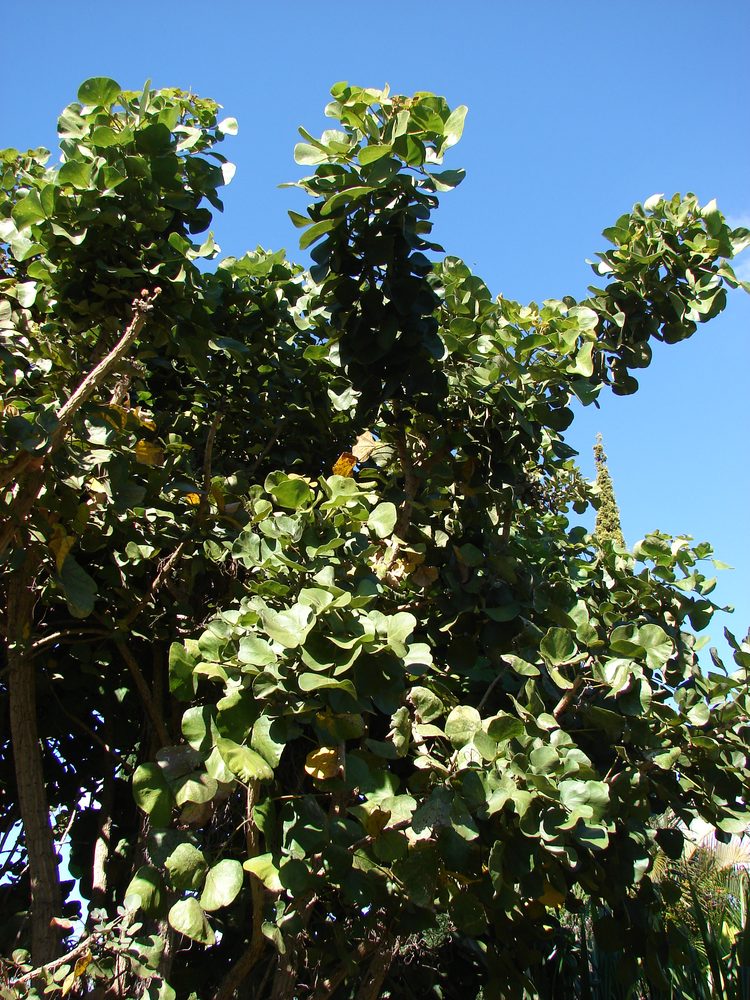
Family Context
The Fabaceae family is large and globally distributed. Notable medicinal members include:
- Soybean — 76 documented uses
- Crab’s Eye — 73 documented uses
- Tamarind — 59 documented uses
- Common Indigo — 51 documented uses
Traditional Uses
Erythrina sp has been traditionally used for digestive health, reproductive health, and metabolic and nutritional health.
Digestive health.
- Purgative
For digestive complaints, the herb is typically prepared as a tea or decoction taken before meals. The bitter compounds stimulate digestive secretions and improve nutrient absorption. Some traditions use the powdered root or leaves in small doses as a stomachic tonic.
Reproductive health.
- Emmenagogue
In traditional contexts, reproductive health applications typically involve internal preparations such as teas or decoctions. The herb may be taken at specific times during the menstrual cycle.
Metabolic and nutritional health.
- Sudorific
Metabolic applications include consuming the plant as a food, fresh juice, or herbal infusion. Regular use supports the body’s natural metabolic processes and nutritional status.
Active Compounds
Phytochemical research has identified 2 compounds in this species: 2’-hydroxygenistein, genistein.