Botanical Overview
Pito (Erythrina berteroana) belongs to the Fabaceae family. Limited but reliable traditional records indicate this plant has recognized medicinal applications in one or more healing traditions. The legume family (Fabaceae) includes trees, shrubs, and herbs that produce pods (legumes) and form nitrogen-fixing root nodules through symbiosis with bacteria. The flowers are typically pea-shaped with five petals. This large family provides food staples, timber, and numerous medicinal species.
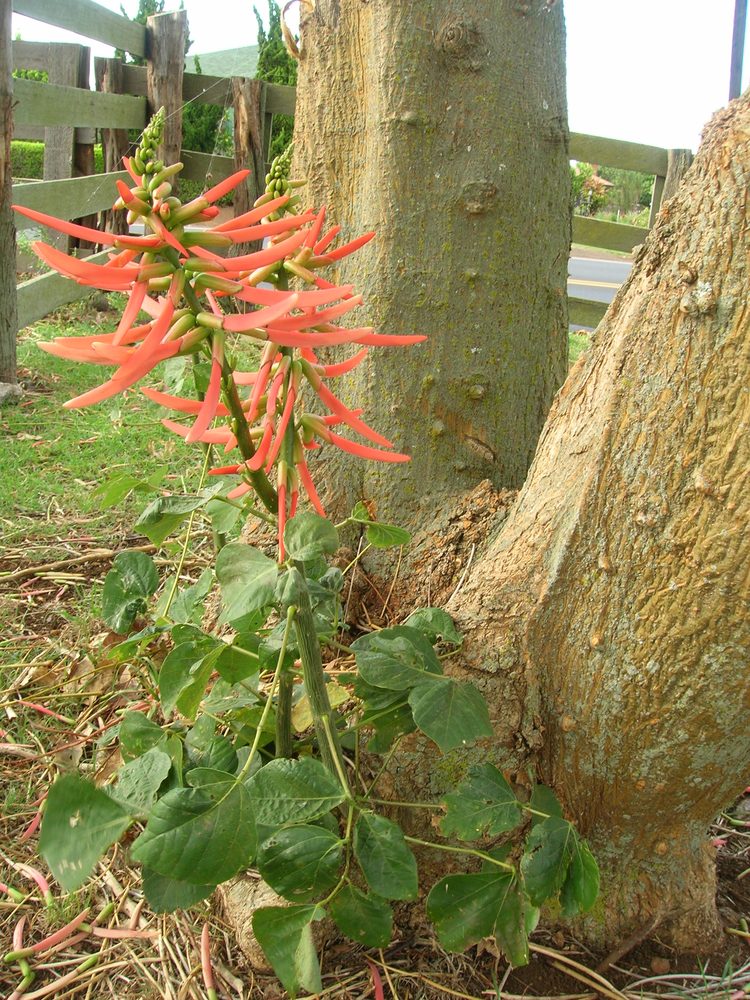
General Description
It is found in Mexico, Central America and the northern part of South America. Common names include elequeme, gallito, machete, pernila de casa, pito and poró de cerca. It is a common tree in the drier parts of its range and has many traditional uses.
Family Context
The Fabaceae family is large and globally distributed. Notable medicinal members include:
- Soybean — 76 documented uses
- Crab’s Eye — 73 documented uses
- Tamarind — 59 documented uses
- Common Indigo — 51 documented uses
Geographic Distribution
Pito has been recorded in 10 countries and territories worldwide, including Colombia, Costa Rica, Cuba, Guatemala, Honduras, and others.
Traditional Uses
Pito has been traditionally used for nervous system disorders.
Nervous system disorders.
- Narcotic
Nervous system support involves taking the herb as a warm tea, often in the evening or before bed. The calming compounds interact with neurotransmitter systems to promote relaxation and restful sleep.
Active Compounds
Phytochemical research has identified 23 compounds in this species, including a diverse array of phytochemical classes (see the Complete Chemical Inventory below for the full list).
The identified compounds include the following categories:
- Alkaloid: nitrogenous compounds with diverse pharmacological activities