Botanical Overview
Culantro (Eryngium foetidum) is a flowering plant in the Apiaceae family. This plant has earned a place in traditional medicine through its consistent therapeutic benefits, recorded across multiple cultures. The carrot family (Apiaceae) includes herbs with hollow stems, alternate leaves, and distinctive umbrella-shaped flower clusters called umbels. Many species have aromatic roots and seeds used as culinary spices and medicines. The family includes both nutritious vegetables and highly toxic species.
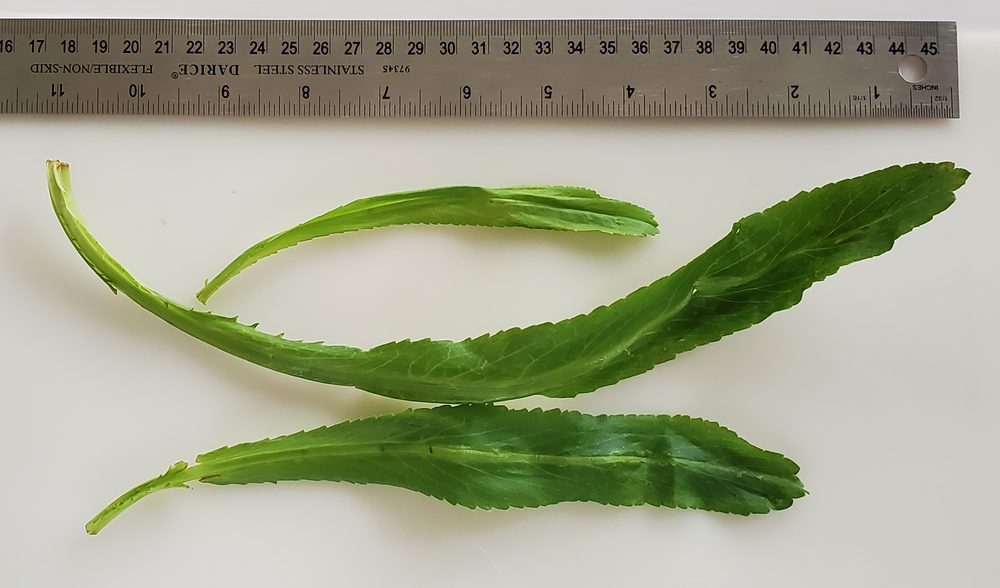
General Description
Common names include culantro, cimarrón, recao, chardon béni (Martinique), Mexican coriander, samat, ban dhaniya, wide coriander, Burmese coriander, sawtooth coriander, Shadow Beni, and ngò gaicode: vie promoted to code: vi (Vietnam). It is native to Mexico, the Caribbean, and Central and South America, but is cultivated worldwide, mostly in the tropics as a perennial, but sometimes in temperate climates as an annual. In India it is called “Mandhonia”, specifically in the Northeast.
Family Context
The Apiaceae family is widely distributed in temperate regions. Notable medicinal members include:
- Fennel — 60 documented uses
- Coriander — 43 documented uses
- Gotu Kola — 41 documented uses
- Ajwan — 41 documented uses
Geographic Distribution
Culantro has been recorded in 10 countries and territories worldwide, including Brazil, China, Colombia, Costa Rica, Ecuador, and others.
Traditional Uses
Culantro has been traditionally used for digestive health, respiratory conditions, and pain and inflammation, among other applications.
Digestive health.
- Carminative
- Colic
- Stomachic
- Vermifuge
For digestive complaints, the herb is typically prepared as a tea or decoction taken before meals. The bitter compounds stimulate digestive secretions and improve nutrient absorption. Some traditions use the powdered root or leaves in small doses as a stomachic tonic.
Respiratory conditions.
- Cough
- Pectoral
- Cold
- Pneumonia
Respiratory conditions are addressed through steam inhalation of the herb’s vapors or internal use as a warm tea. The hot infusion acts as an expectorant, helping to loosen phlegm and clear congestion. Some traditions combine it with honey for coughs.
Pain and inflammation.
- Rheumatism
- Anodyne
- Arthritis
For pain and inflammation, preparations are applied both topically as compresses and taken internally. A warm poultice draws blood to the area and promotes healing, while internal preparations address systemic inflammation.
Active Compounds
Phytochemical research has identified 20 compounds in this species, including a diverse array of phytochemical classes (see the Complete Chemical Inventory below for the full list).
The identified compounds include the following categories:
- Flavonoid: antioxidant compounds that protect cells from oxidative damage
- Terpene: aromatic compounds with anti-inflammatory and antimicrobial properties
- Alkaloid: nitrogenous compounds with diverse pharmacological activities