Botanical Overview
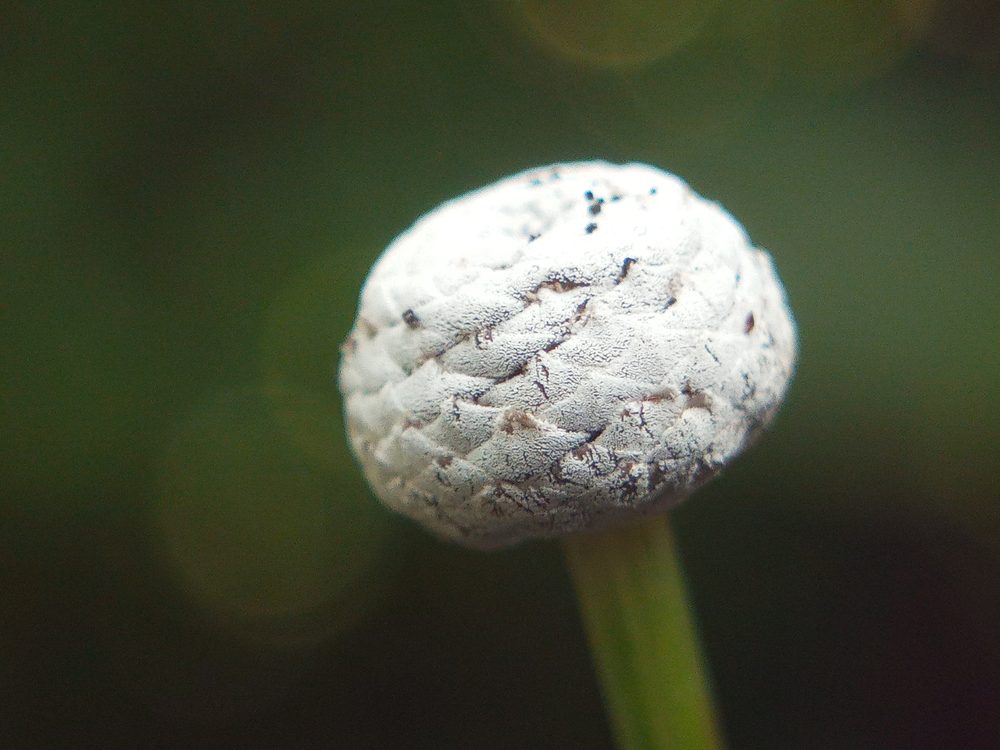
Oriental Pipewort (Eriocaulon sp) belongs to the Eriocaulaceae family. Limited but reliable traditional records indicate this plant has recognized medicinal applications in one or more healing traditions. This species belongs to the Eriocaulaceae family, a group of flowering plants.
Traditional Uses
Oriental Pipewort has been traditionally used for digestive health and pain and inflammation.
Digestive health.
- Vermifuge
For digestive complaints, the herb is typically prepared as a tea or decoction taken before meals. The bitter compounds stimulate digestive secretions and improve nutrient absorption. Some traditions use the powdered root or leaves in small doses as a stomachic tonic.
Pain and inflammation.
- Anodyne
- Ache(Head)
For pain and inflammation, preparations are applied both topically as compresses and taken internally. A warm poultice draws blood to the area and promotes healing, while internal preparations address systemic inflammation.
Active Compounds
Phytochemical research has identified 9 compounds in this species, including a diverse array of phytochemical classes (see the Complete Chemical Inventory below for the full list).