Botanical Overview
Horsetail (Equisetum hyemale) is a flowering plant in the Equisetaceae family. The traditional uses of this species reflect its genuine medicinal value, validated by generations of practical experience. This species belongs to the Equisetaceae family, a group of flowering plants.
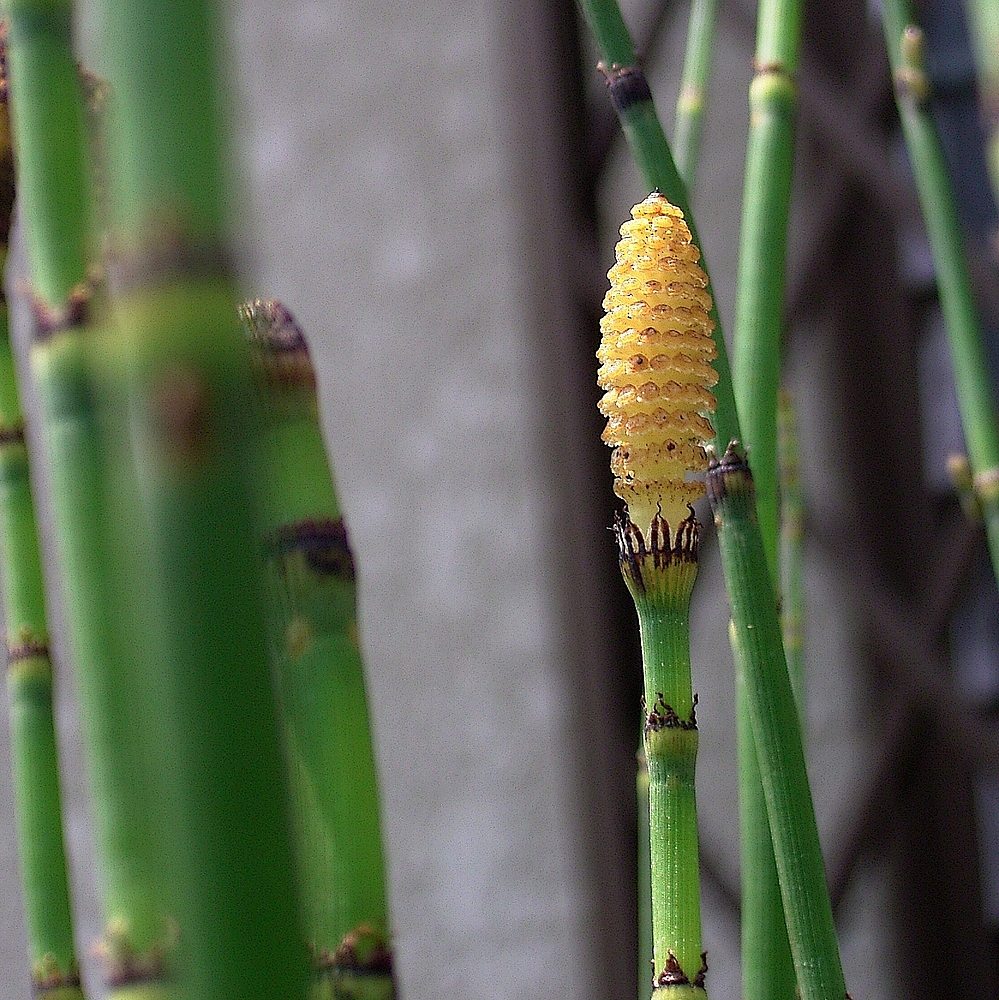
General Description
It was formerly widely treated in a broader sense including a subspecies in North America, but this is now treated as a separate species, Equisetum praealtum.
Family Context
The Equisetaceae family is widely distributed. Notable medicinal members include:
- Field Horsetail — 29 documented uses
Geographic Distribution
Horsetail has been recorded in 10 countries and territories worldwide, including Canada, Switzerland, Germany, Finland, France, and others.
Traditional Uses
Horsetail has been traditionally used for skin and wound care, urinary tract health, and cardiovascular health, among other applications.
Skin and wound care.
- Sore
- Wound
For skin conditions, the fresh or dried plant is applied topically as a poultice, wash, or compress. A strong decoction can be used to clean wounds and sores. The antimicrobial properties help prevent infection while promoting tissue repair.
Urinary tract health.
- Diuretic
Urinary tract applications typically involve drinking the herb as a mild tea, which increases urine production and helps flush the urinary system. It may be combined with other demulcent herbs to soothe irritated tissues.
Cardiovascular health.
- Hemorrhage
Active Compounds
Phytochemical research has identified 17 compounds in this species, including a diverse array of phytochemical classes (see the Complete Chemical Inventory below for the full list).
The identified compounds include the following categories:
- Flavonoid: antioxidant compounds that protect cells from oxidative damage