Botanical Overview
Ma Huang (Ephedra sinica) is a flowering plant in the Ephedraceae family. This plant has earned a place in traditional medicine through its consistent therapeutic benefits, recorded across multiple cultures. This species belongs to the Ephedraceae family, a group of flowering plants.
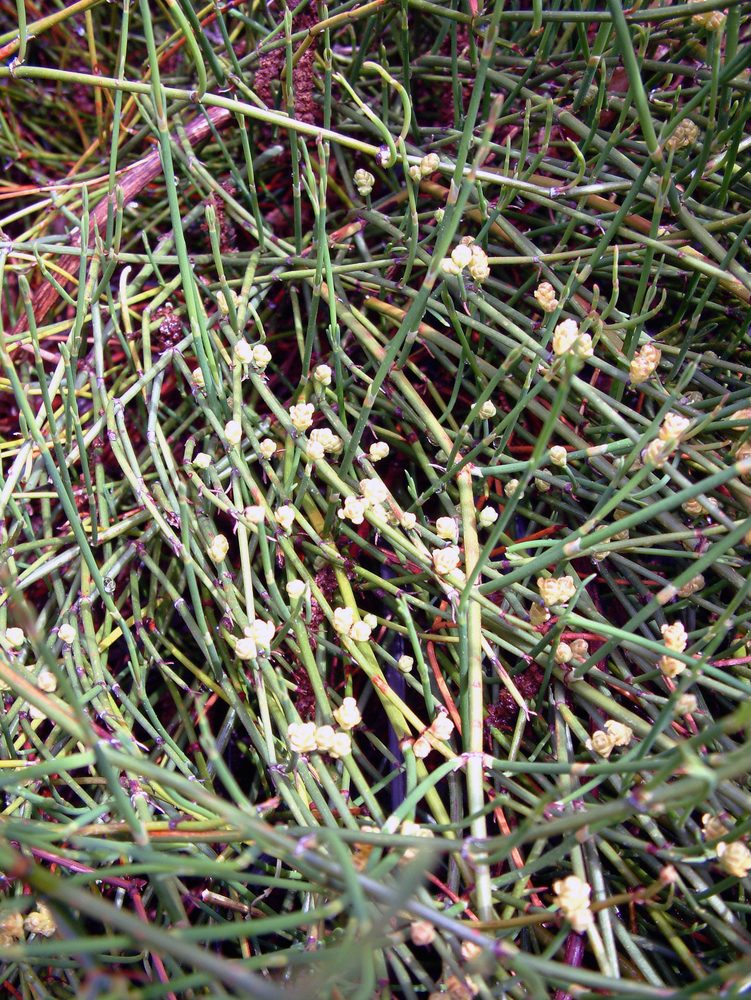
General Description
Native to Mongolia, northern China, and Russia, it is a shrub found on arid highland slopes, dry river beds, steppes, fields or mountain sides. E. sinica contains alkaloids, including ephedrine, which have been a basis for using the plant in traditional medicine for thousands of years. Due to concerns about alkaloid toxicity, ephedrine has been banned from the market in the European Union, United States, and many other countries.
Family Context
The Ephedraceae family is widely distributed. Notable medicinal members include:
- Brigham Tea — 5 documented uses
- Pakistani Ephedra — 4 documented uses
Geographic Distribution
Ma Huang has been recorded in 8 countries and territories worldwide, including Canada, China, Germany, Japan, Mongolia, and others.
Traditional Uses
Ma Huang has been traditionally used for respiratory conditions, urinary tract health, and pain and inflammation, among other applications.
Respiratory conditions.
- Asthma
- Bronchitis
- Cold
- Cough
Respiratory conditions are addressed through steam inhalation of the herb’s vapors or internal use as a warm tea. The hot infusion acts as an expectorant, helping to loosen phlegm and clear congestion. Some traditions combine it with honey for coughs.
Urinary tract health.
- Edema
Urinary tract applications typically involve drinking the herb as a mild tea, which increases urine production and helps flush the urinary system. It may be combined with other demulcent herbs to soothe irritated tissues.
Pain and inflammation.
- Arthritis
- Anodyne
- Swelling
For pain and inflammation, preparations are applied both topically as compresses and taken internally. A warm poultice draws blood to the area and promotes healing, while internal preparations address systemic inflammation.
Active Compounds
Phytochemical research has identified 30 compounds in this species, including a diverse array of phytochemical classes (see the Complete Chemical Inventory below for the full list).
The identified compounds include the following categories:
- Phenolic: antioxidant compounds that neutralize free radicals
- Alkaloid: nitrogenous compounds with diverse pharmacological activities