Botanical Overview
Brigham Tea (Ephedra nevadensis) belongs to the Ephedraceae family. While not among the most extensively documented medicinal plants, this species has recorded uses that warrant attention from researchers and practitioners. This species belongs to the Ephedraceae family, a group of flowering plants.
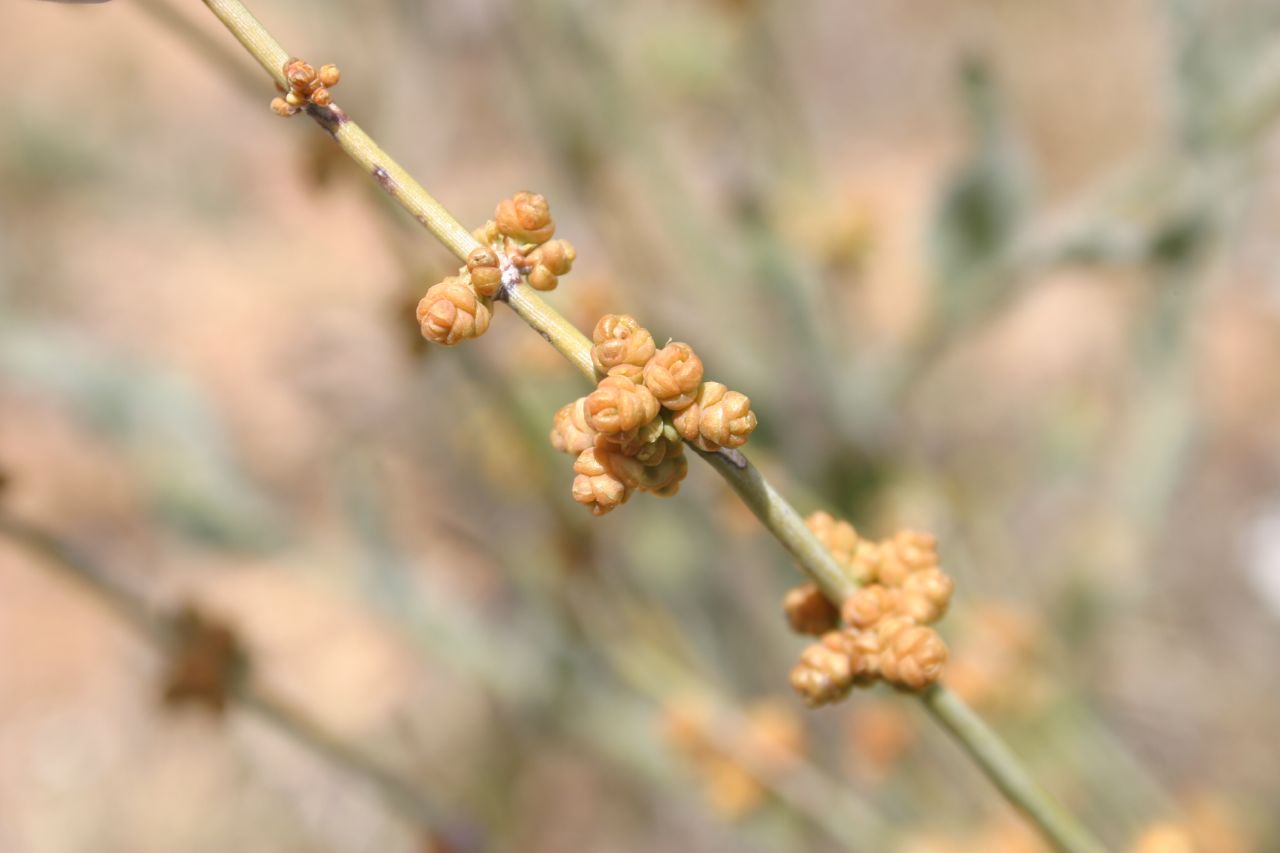
General Description
Its range extends west to California, east to Colorado, north to Oregon, and south to Baja California, including areas of the Great Basin, Colorado Plateau and desert Southwest. It is found in rocky and sandy soils, generally in areas without trees. It can be found in a variety of environments but predominately grows in desert climates. It serves as a non toxic grazing source to both wild and domestic livestock. It possesses a various amount of medicinal properties that can be used in a domestic setting. Historically, it is known for its usage in Mormon communities as tea.
Family Context
The Ephedraceae family is widely distributed. Notable medicinal members include:
- Ma Huang — 22 documented uses
- Pakistani Ephedra — 4 documented uses
Geographic Distribution
Brigham Tea has been recorded in Bermuda, Mexico, Saint Helena, United States, and ZZ.
Traditional Uses
Brigham Tea has been traditionally used for pain and inflammation, reproductive health, and metabolic and nutritional health.
Pain and inflammation.
- Ache(Head)
For pain and inflammation, preparations are applied both topically as compresses and taken internally. A warm poultice draws blood to the area and promotes healing, while internal preparations address systemic inflammation.
Reproductive health.
- Venereal
In traditional contexts, reproductive health applications typically involve internal preparations such as teas or decoctions. The herb may be taken at specific times during the menstrual cycle.
Metabolic and nutritional health.
- Depurative
Metabolic applications include consuming the plant as a food, fresh juice, or herbal infusion. Regular use supports the body’s natural metabolic processes and nutritional status.
Active Compounds
Phytochemical research has identified 9 compounds in this species, including a diverse array of phytochemical classes (see the Complete Chemical Inventory below for the full list).
The identified compounds include the following categories:
- Alkaloid: nitrogenous compounds with diverse pharmacological activities
- Tannin: astringent compounds that tighten tissues and resist infection