Botanical Overview
Pakistani Ephedra (Ephedra gerardiana) belongs to the Ephedraceae family. While not among the most extensively documented medicinal plants, this species has recorded uses that warrant attention from researchers and practitioners. This species belongs to the Ephedraceae family, a group of flowering plants.
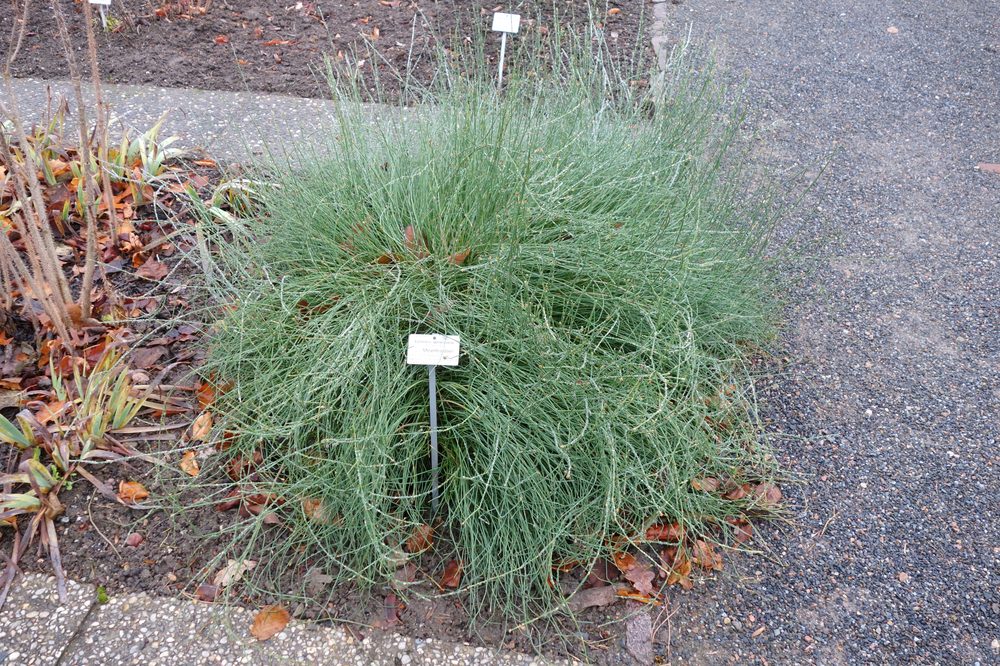
General Description
It is a perennial small shrub composed primarily of fibrous stalks, generally about 8 inches though sometimes growing to 24 inches in height, with small, yellow flowers followed by round, red, edible fruits. It is sometimes used as a stimulant, and in Ayurvedic medicine its tea is used as medicine for colds, coughs, bronchitis, asthma, and arthritis.
Family Context
The Ephedraceae family is widely distributed. Notable medicinal members include:
- Ma Huang — 22 documented uses
- Brigham Tea — 5 documented uses
Geographic Distribution
Pakistani Ephedra has been recorded in 10 countries and territories worldwide, including Afghanistan, Bhutan, China, India, Nepal, and others.
Traditional Uses
Pakistani Ephedra has been traditionally used for respiratory conditions.
Respiratory conditions.
- Asthma
Respiratory conditions are addressed through steam inhalation of the herb’s vapors or internal use as a warm tea. The hot infusion acts as an expectorant, helping to loosen phlegm and clear congestion. Some traditions combine it with honey for coughs.
Active Compounds
Phytochemical research has identified 15 compounds in this species, including a diverse array of phytochemical classes (see the Complete Chemical Inventory below for the full list).
The identified compounds include the following categories:
- Phenolic: antioxidant compounds that neutralize free radicals
- Alkaloid: nitrogenous compounds with diverse pharmacological activities
- Tannin: astringent compounds that tighten tissues and resist infection