Botanical Overview
American Oil Palm (Elaeis oleifera) belongs to the Arecaceae family. While not among the most extensively documented medicinal plants, this species has recorded uses that warrant attention from researchers and practitioners. The palm family (Arecaceae) includes trees, shrubs, and climbers with unbranched stems topped by a crown of large, compound, evergreen leaves. The flowers are small and clustered on branched inflorescences, and the fruits are typically drupes. Palms provide oils, waxes, and other useful products.
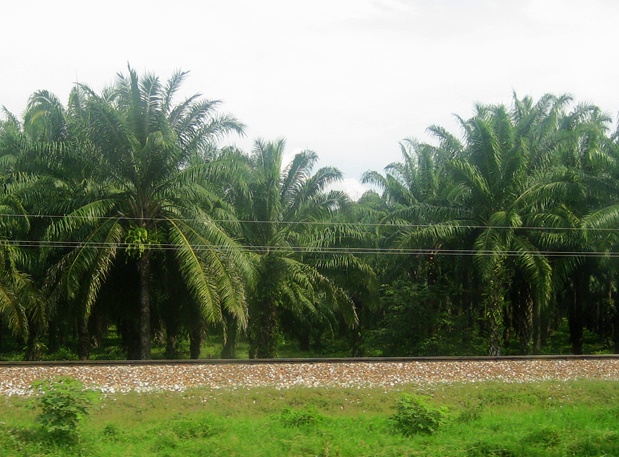
General Description
It is native to South and Central America from Honduras to northern Brazil. Unlike its relative Elaeis guineensis, the African oil palm, it is rarely planted commercially to produce palm oil, but hybrids between the two species are, mainly in efforts to provide disease resistance and to increase the proportion of unsaturated fatty acids in the oil.
Family Context
The Arecaceae family is primarily tropical and subtropical. Notable medicinal members include:
- Coconut — 93 documented uses
- Betel Nut — 52 documented uses
- Date Palm — 42 documented uses
- Dragon’s Blood — 13 documented uses
Geographic Distribution
American Oil Palm has been recorded in 10 countries and territories worldwide, including Brazil, Colombia, Costa Rica, Ecuador, French Guiana, and others.
Traditional Uses
American Oil Palm has been traditionally used for pain and inflammation.
Pain and inflammation.
- Inflammation
For pain and inflammation, preparations are applied both topically as compresses and taken internally. A warm poultice draws blood to the area and promotes healing, while internal preparations address systemic inflammation.
Active Compounds
Phytochemical research has identified 7 compounds in this species, including a diverse array of phytochemical classes (see the Complete Chemical Inventory below for the full list).