Botanical Overview
African Oil Palm (Elaeis guineensis) belongs to the Arecaceae family. While not among the most extensively documented medicinal plants, this species has recorded uses that warrant attention from researchers and practitioners. The palm family (Arecaceae) includes trees, shrubs, and climbers with unbranched stems topped by a crown of large, compound, evergreen leaves. The flowers are small and clustered on branched inflorescences, and the fruits are typically drupes. Palms provide oils, waxes, and other useful products.
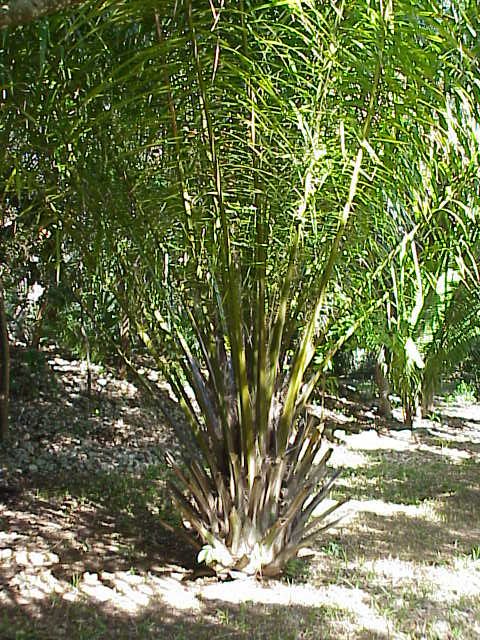
General Description
The first Western person to describe it and bring back seeds was the French naturalist Michel Adanson. It is native to west and southwest Africa, specifically the area between Angola and The Gambia; the species name, guineensis, refers to the name for the area called Guinea, and not the modern country Guinea now bearing that name. The species is also now naturalised in Madagascar, Sri Lanka, Malaysia, Indonesia, Central America, Cambodia, the West Indies, and several islands in the Indian and Pacific Oceans. The closely related American oil palm E. oleifera and a more distantly related palm, Attalea maripa, are also used to produce palm oil. E. guineensis was domesticated in West Africa along the south-facing Atlantic coast. There is insufficient documentation and as of 2019 insufficient research to make any guesses as to when this occurred. Human use of oil palms may date as far back as 5,000 years in Egypt; in the late 1800s, archaeologists discovered palm oil in a tomb at Abydos, Egypt, dating back to 3000 BCE (but this information needs further investigation, due to recent reviews. The oil found in Abydos may be just date oil or even animal fats). It is the principal source of palm oil. Oil palms can produce much more oil per unit of land area than most other oil-producing plants (about nine times more than soy and 4. 5 times more than rapeseed).
Family Context
The Arecaceae family is primarily tropical and subtropical. Notable medicinal members include:
- Coconut — 93 documented uses
- Betel Nut — 52 documented uses
- Date Palm — 42 documented uses
- Dragon’s Blood — 13 documented uses
Geographic Distribution
African Oil Palm has been recorded in 10 countries and territories worldwide, including Burkina Faso, Benin, Brazil, Cameroon, Colombia, and others.
Traditional Uses
African Oil Palm has been traditionally used for pain and inflammation, reproductive health, and immune system support.
Pain and inflammation.
- Ache(Head)
- Anodyne
For pain and inflammation, preparations are applied both topically as compresses and taken internally. A warm poultice draws blood to the area and promotes healing, while internal preparations address systemic inflammation.
Reproductive health.
- Aphrodisiac
In traditional contexts, reproductive health applications typically involve internal preparations such as teas or decoctions. The herb may be taken at specific times during the menstrual cycle.
Immune system support.
- Tumor
Immune support involves taking the herb as a decoction or tincture over extended periods. The active compounds stimulate immune cell activity and provide antimicrobial protection.
Active Compounds
Phytochemical research has identified 30 compounds in this species, including a diverse array of phytochemical classes (see the Complete Chemical Inventory below for the full list).
The identified compounds include the following categories:
- Phenolic: antioxidant compounds that neutralize free radicals