Botanical Overview
Ehretia laevis belongs to the Boraginaceae family. Limited but reliable traditional records indicate this plant has recognized medicinal applications in one or more healing traditions. This species belongs to the Boraginaceae family, a group of flowering plants.
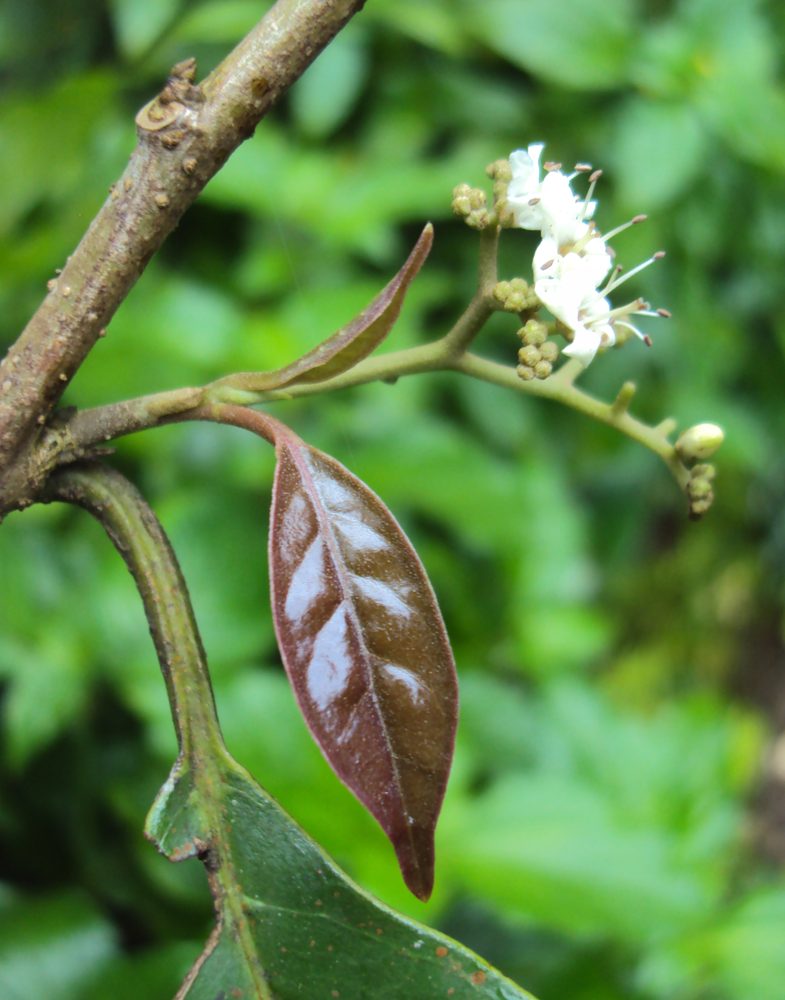
General Description
It is a small tree native to the Indian subcontinent, Indochina, Peninsular Malaysia, and Hainan. It grows in dry deciduous forests. It flowers and fruits in January and February.
Family Context
The Boraginaceae family is widely distributed. Notable medicinal members include:
- Comfrey — 20 documented uses
- Borage — 15 documented uses
- Heliotrope — 6 documented uses
Geographic Distribution
Ehretia laevis has been recorded in 10 countries and territories worldwide, including China, Indonesia, India, Sri Lanka, Myanmar, and others.
Traditional Uses
Ehretia laevis has been traditionally used for reproductive health.
Reproductive health.
- Syphilis
- Venereal
In traditional contexts, reproductive health applications typically involve internal preparations such as teas or decoctions. The herb may be taken at specific times during the menstrual cycle.
Active Compounds
Phytochemical research has identified 2 compounds in this species: betulin, betulinic-acid.