Botanical Overview
Golden Dewdrop (Duranta repens) belongs to the Verbenaceae family. Limited but reliable traditional records indicate this plant has recognized medicinal applications in one or more healing traditions. The verbena family (Verbenaceae) includes herbs, shrubs, and trees with opposite leaves and spikes or clusters of small, tubular flowers with four or five petals. Many species produce aromatic oils in glandular hairs on their leaves and stems.
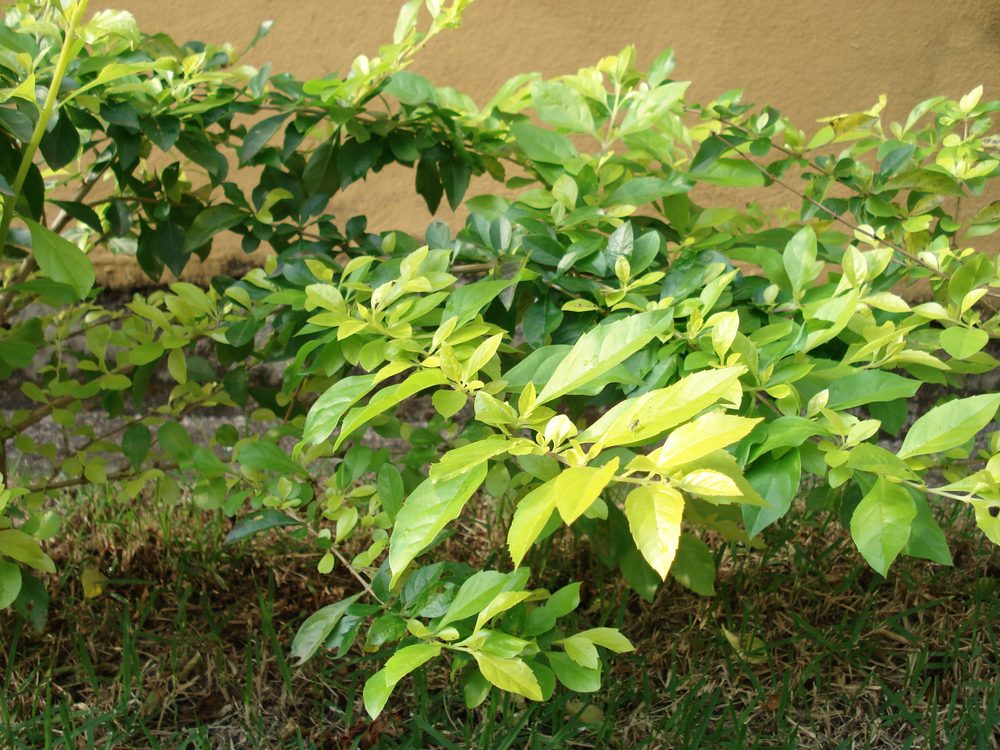
General Description
It is widely cultivated as an ornamental plant in tropical and subtropical gardens throughout the world, and has become naturalized in many places. Common names include golden dewdrop, pigeon berry, and skyflower.
Family Context
The Verbenaceae family is widely distributed. Notable medicinal members include:
- Lantana — 59 documented uses
- Vervain — 58 documented uses
- Brazilian Tea — 55 documented uses
- White Lippia — 20 documented uses
Geographic Distribution
Golden Dewdrop has been recorded in 10 countries and territories worldwide, including Brazil, Congo (DRC), China, Colombia, Japan, and others.
Traditional Uses
Golden Dewdrop has been traditionally used for fever management.
Fever management.
- Fever
Febrifuge preparations are typically administered as hot teas to induce perspiration, which helps the body regulate temperature. The patient is kept warm and encouraged to rest while the herb promotes sweating.
Active Compounds
Phytochemical research has identified 3 compounds in this species: fat, hcn, protein.