Botanical Overview
Corkwood Tree (Duboisia myoporoides) belongs to the Solanaceae family. While not among the most extensively documented medicinal plants, this species has recorded uses that warrant attention from researchers and practitioners. The nightshade family (Solanaceae) includes herbs, shrubs, and small trees with alternate leaves and star-shaped or trumpet-shaped flowers. The fruits are typically berries or capsules. Many species produce potent alkaloids including tropanes, solanines, and nicotine, making this family both medicinally valuable and potentially toxic.
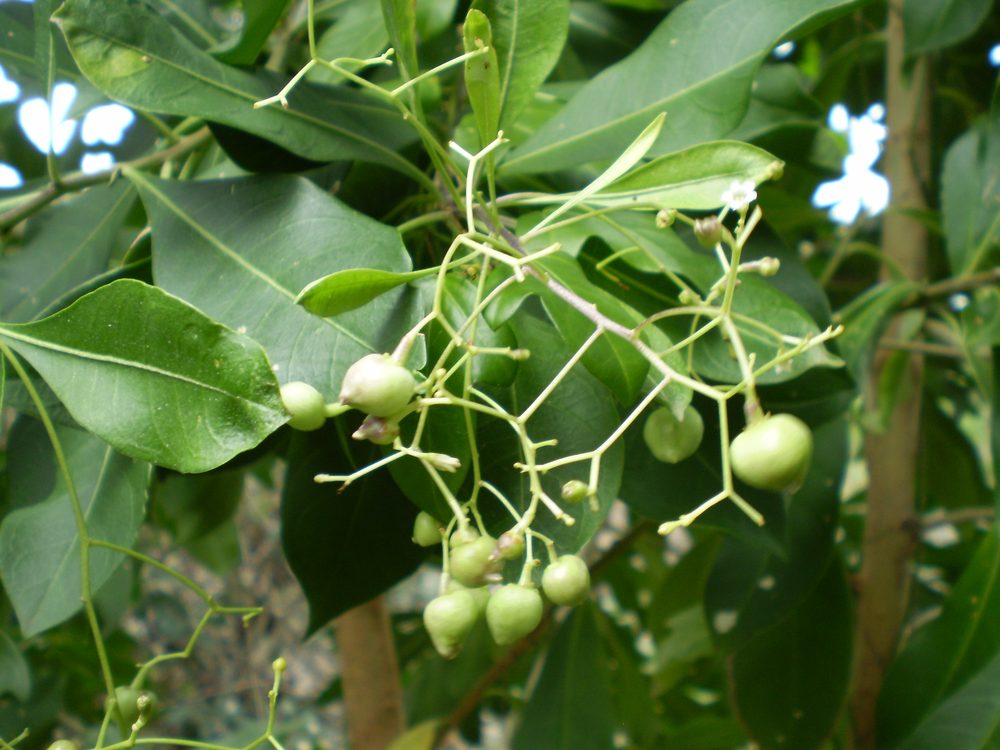
General Description
It has a thick and corky bark. The leaves are obovate to elliptic in shape, 4–15 cm long and 1–4 cm wide. The small white flowers are produced in clusters. This is followed by globose purple-black berries.
Family Context
The Solanaceae family is widely distributed worldwide. Notable medicinal members include:
- Black Nightshade — 100 documented uses
- Tobacco — 80 documented uses
- Jimsonweed — 66 documented uses
- Hindu Datura — 65 documented uses
Geographic Distribution
Corkwood Tree has been recorded in Australia, India, New Caledonia, and ZZ.
Traditional Uses
Corkwood Tree has been traditionally used for nervous system disorders.
Nervous system disorders.
- Sedative
Nervous system support involves taking the herb as a warm tea, often in the evening or before bed. The calming compounds interact with neurotransmitter systems to promote relaxation and restful sleep.
Active Compounds
Phytochemical research has identified 30 compounds in this species, including a diverse array of phytochemical classes (see the Complete Chemical Inventory below for the full list).
The identified compounds include the following categories:
- Alkaloid: nitrogenous compounds with diverse pharmacological activities