Botanical Overview
Male Fern (Dryopteris filix-mas) belongs to the Dryopteridaceae family. Limited but reliable traditional records indicate this plant has recognized medicinal applications in one or more healing traditions. This species belongs to the Dryopteridaceae family, a group of flowering plants.
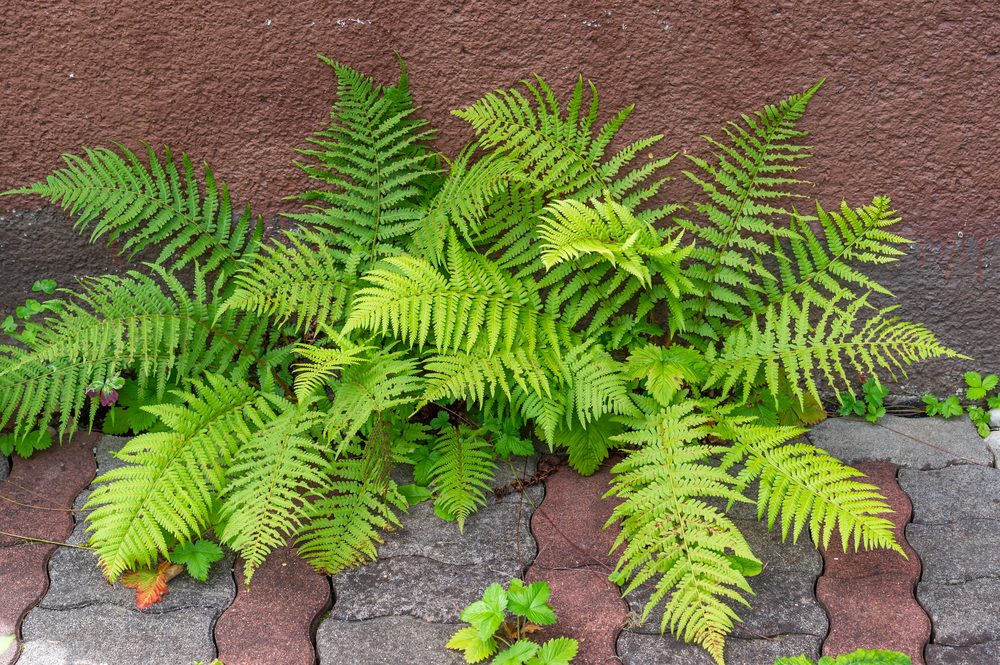
General Description
It favours damp shaded areas in the understory of woodlands, but also shady places on hedge-banks, and rocks, and screes. Near the northern limit of its distribution it prefers sunny, well-drained sites. It is much less abundant in North America than in Europe.
Family Context
The Dryopteridaceae family is widely distributed. Notable medicinal members include:
- Marginal Wood Fern — 2 documented uses
Geographic Distribution
Male Fern has been recorded in 10 countries and territories worldwide, including Austria, Belgium, Switzerland, Germany, France, and others.
Traditional Uses
Male Fern has been traditionally used for digestive health, respiratory conditions, and immune system support.
Digestive health.
- Vermifuge
For digestive complaints, the herb is typically prepared as a tea or decoction taken before meals. The bitter compounds stimulate digestive secretions and improve nutrient absorption. Some traditions use the powdered root or leaves in small doses as a stomachic tonic.
Respiratory conditions.
- Pectoral
Respiratory conditions are addressed through steam inhalation of the herb’s vapors or internal use as a warm tea. The hot infusion acts as an expectorant, helping to loosen phlegm and clear congestion. Some traditions combine it with honey for coughs.
Immune system support.
- Tumor
Immune support involves taking the herb as a decoction or tincture over extended periods. The active compounds stimulate immune cell activity and provide antimicrobial protection.
Active Compounds
Phytochemical research has identified 30 compounds in this species, including a diverse array of phytochemical classes (see the Complete Chemical Inventory below for the full list).