Botanical Overview
Tonka Bean (Dipteryx odorata) belongs to the Fabaceae family. Limited but reliable traditional records indicate this plant has recognized medicinal applications in one or more healing traditions. The legume family (Fabaceae) includes trees, shrubs, and herbs that produce pods (legumes) and form nitrogen-fixing root nodules through symbiosis with bacteria. The flowers are typically pea-shaped with five petals. This large family provides food staples, timber, and numerous medicinal species.
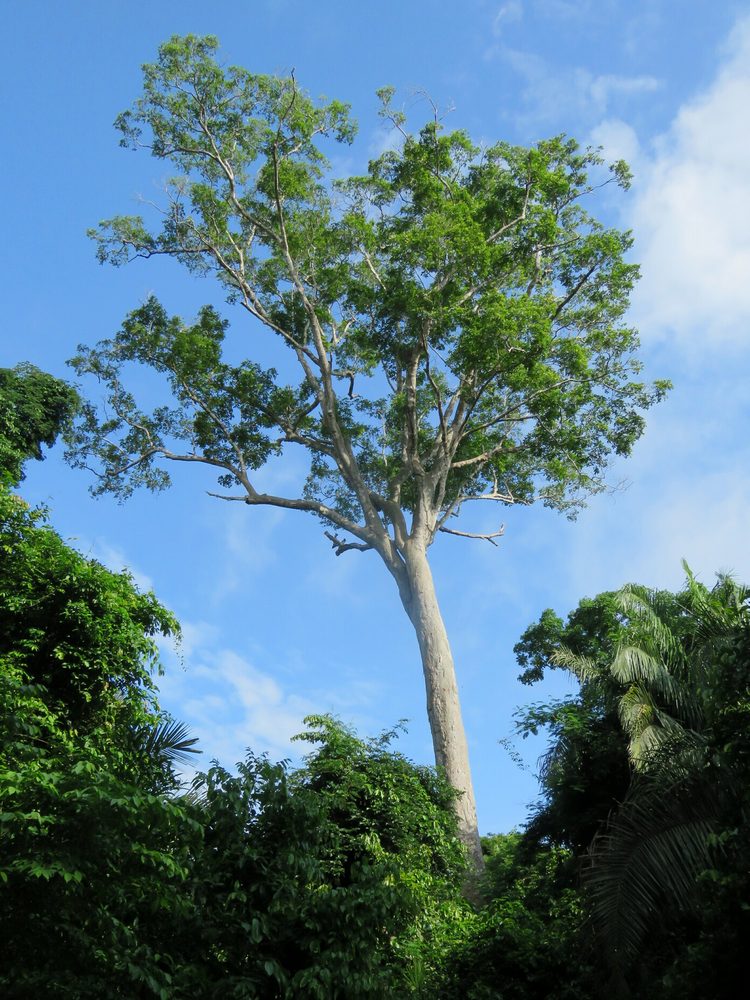
General Description
The tree is native to Northern South America and is semi-deciduous. Its seeds are known as tonka beans, but sometimes spelled tonkin beans or tonquin beans (not related to Tonkin). The seeds are black and wrinkled and have a smooth, brown interior. They have a strong fragrance similar to sweet woodruff due to their high content of coumarin. The word tonka is taken from the Galibi (Carib) tongue spoken by natives of French Guiana; it also appears in Tupi, another language of the same region, as the name of the tree. The old genus name, Coumarouna, was formed from another Tupi name for the tree, kumaru. Many anticoagulant prescription drugs, such as warfarin, are based on 4-hydroxycoumarin, a chemical derivative of coumarin initially isolated from this bean. Coumarin itself, however, does not have anticoagulant properties.
Family Context
The Fabaceae family is large and globally distributed. Notable medicinal members include:
- Soybean — 76 documented uses
- Crab’s Eye — 73 documented uses
- Tamarind — 59 documented uses
- Common Indigo — 51 documented uses
Geographic Distribution
Tonka Bean has been recorded in 10 countries and territories worldwide, including Benin, Bolivia, Brazil, Colombia, French Guiana, and others.
Traditional Uses
Tonka Bean has been traditionally used for digestive health, nervous system disorders, and fever management, among other applications.
Digestive health.
- Carminative
- Ache(Stomach)
- Dyspepsia
- Stomachic
For digestive complaints, the herb is typically prepared as a tea or decoction taken before meals. The bitter compounds stimulate digestive secretions and improve nutrient absorption. Some traditions use the powdered root or leaves in small doses as a stomachic tonic.
Nervous system disorders.
- Narcotic
Nervous system support involves taking the herb as a warm tea, often in the evening or before bed. The calming compounds interact with neurotransmitter systems to promote relaxation and restful sleep.
Fever management.
- Fever
Febrifuge preparations are typically administered as hot teas to induce perspiration, which helps the body regulate temperature. The patient is kept warm and encouraged to rest while the herb promotes sweating.
Active Compounds
Phytochemical research has identified 30 compounds in this species, including a diverse array of phytochemical classes (see the Complete Chemical Inventory below for the full list).
The identified compounds include the following categories:
- Flavonoid: antioxidant compounds that protect cells from oxidative damage
- Coumarin: aromatic compounds with anticoagulant and anti-inflammatory effects
- Alkaloid: nitrogenous compounds with diverse pharmacological activities