Botanical Overview
American Persimmon (Diospyros virginiana) is a flowering plant in the Ebenaceae family. The traditional uses of this species reflect its genuine medicinal value, validated by generations of practical experience. The ebony family (Ebenaceae) includes trees and shrubs with hard, dense wood and alternate leaves. The plants are dioecious (male and female flowers on separate plants) and produce berry-like fruits. Several species are valued for their dark heartwood used in woodworking.
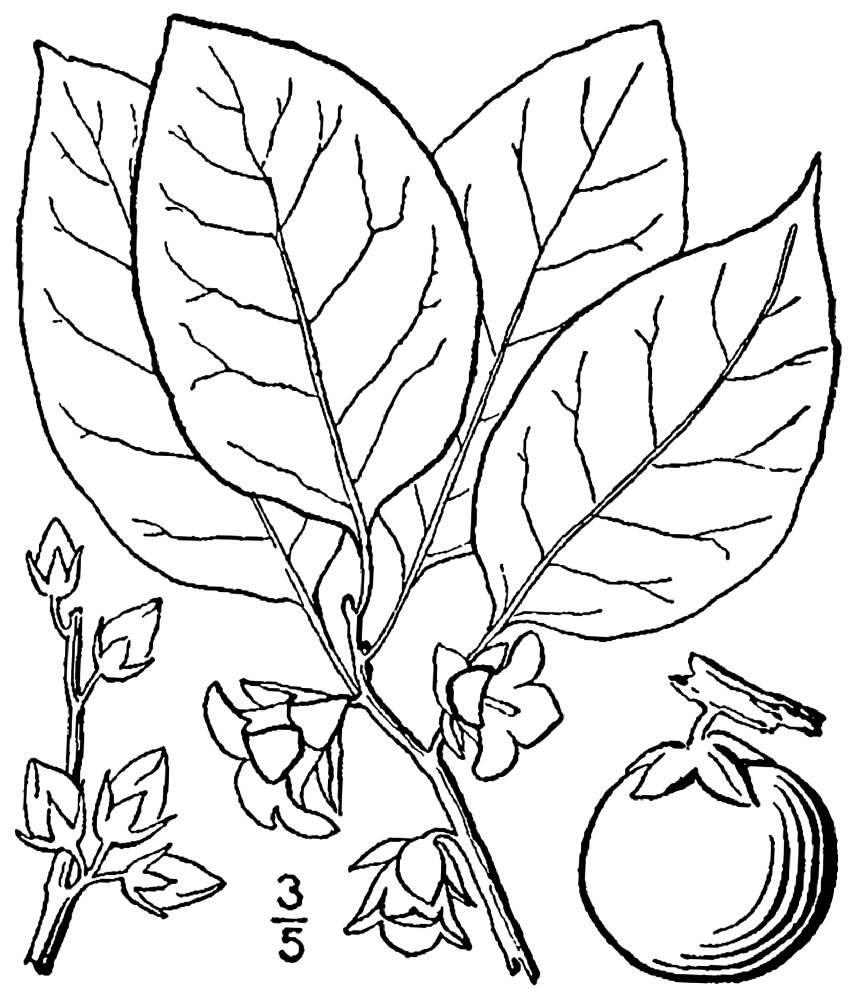
General Description
It ranges from southern Connecticut to Florida, and west to Texas, Louisiana, Oklahoma, Kansas, and Iowa. The tree grows in the wild but has been cultivated for its fruit and wood since prehistoric times by Native Americans. Both the tree and the fruit are referred to as persimmons, with the latter appearing in desserts and cuisine in the U. S. South and Midwest. The tree is typically dioecious, so one must have both male and female plants to obtain fruit. Commercial varieties include the very productive Early Golden, the productive John Rick, Miller, Woolbright and the Ennis, a seedless variety. Another nickname of the American persimmon, ‘date-plum’ also refers to a persimmon species found in South Asia and South Europe, Diospyros lotus. Today, persimmons are also grown on small farms as a heritage crop.
Family Context
The Ebenaceae family is primarily tropical. Notable medicinal members include:
- Diospyros tomentosa — 29 documented uses
- Persimmon — 24 documented uses
- Diospyros melanoxylon — 15 documented uses
- Diospyros montana — 11 documented uses
Geographic Distribution
American Persimmon has been recorded in 10 countries and territories worldwide, including Afghanistan, Brazil, Canada, Spain, France, and others.
Traditional Uses
American Persimmon has been traditionally used for digestive health, skin and wound care, and urinary tract health, among other applications.
Digestive health.
- Dysentery
- Diarrhea
For digestive complaints, the herb is typically prepared as a tea or decoction taken before meals. The bitter compounds stimulate digestive secretions and improve nutrient absorption. Some traditions use the powdered root or leaves in small doses as a stomachic tonic.
Skin and wound care.
- Sore
For skin conditions, the fresh or dried plant is applied topically as a poultice, wash, or compress. A strong decoction can be used to clean wounds and sores. The antimicrobial properties help prevent infection while promoting tissue repair.
Urinary tract health.
- Kidney
Urinary tract applications typically involve drinking the herb as a mild tea, which increases urine production and helps flush the urinary system. It may be combined with other demulcent herbs to soothe irritated tissues.
Active Compounds
Phytochemical research has identified 30 compounds in this species, including a diverse array of phytochemical classes (see the Complete Chemical Inventory below for the full list).