Botanical Overview
Diospyros melanoxylon is a flowering plant in the Ebenaceae family. The traditional uses of this species reflect its genuine medicinal value, validated by generations of practical experience. The ebony family (Ebenaceae) includes trees and shrubs with hard, dense wood and alternate leaves. The plants are dioecious (male and female flowers on separate plants) and produce berry-like fruits. Several species are valued for their dark heartwood used in woodworking.
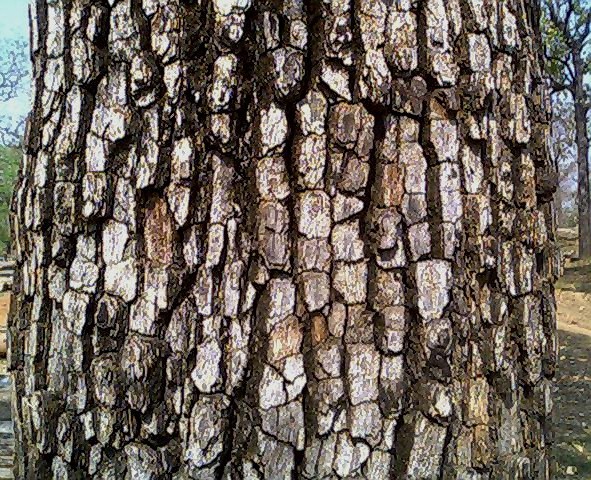
General Description
Its common name derives from Coromandel, the coast of southeastern India. Locally it is known as temburini or by its Hindi name tendu. In Odisha, Jharkhand, and Assam, it is known as kendu. In Andhra Pradesh, and Telangana it is known as tuniki. The leaves can be wrapped around tobacco to create the Indian beedi, which has outsold conventional cigarettes in India.
Family Context
The Ebenaceae family is primarily tropical. Notable medicinal members include:
- Diospyros tomentosa — 29 documented uses
- Persimmon — 24 documented uses
- American Persimmon — 19 documented uses
- Diospyros montana — 11 documented uses
Traditional Uses
Diospyros melanoxylon has been traditionally used for digestive health, skin and wound care, and urinary tract health, among other applications.
Digestive health.
- Carminative
- Diarrhea
- Dysentery
- Laxative
For digestive complaints, the herb is typically prepared as a tea or decoction taken before meals. The bitter compounds stimulate digestive secretions and improve nutrient absorption. Some traditions use the powdered root or leaves in small doses as a stomachic tonic.
Skin and wound care.
- Skin
For skin conditions, the fresh or dried plant is applied topically as a poultice, wash, or compress. A strong decoction can be used to clean wounds and sores. The antimicrobial properties help prevent infection while promoting tissue repair.
Urinary tract health.
- Diuretic
Urinary tract applications typically involve drinking the herb as a mild tea, which increases urine production and helps flush the urinary system. It may be combined with other demulcent herbs to soothe irritated tissues.
Active Compounds
Phytochemical research has identified 2 compounds in this species: betulin, betulinic-acid.