Botanical Overview
Black Sapote (Diospyros digyna) is a species in the Ebenaceae family. The ebony family (Ebenaceae) includes trees and shrubs with hard, dense wood and alternate leaves. The plants are dioecious (male and female flowers on separate plants) and produce berry-like fruits. Several species are valued for their dark heartwood used in woodworking. Although comprehensive ethnobotanical records are limited, phytochemical studies have identified 12 compounds in this species, suggesting potential medicinal value.
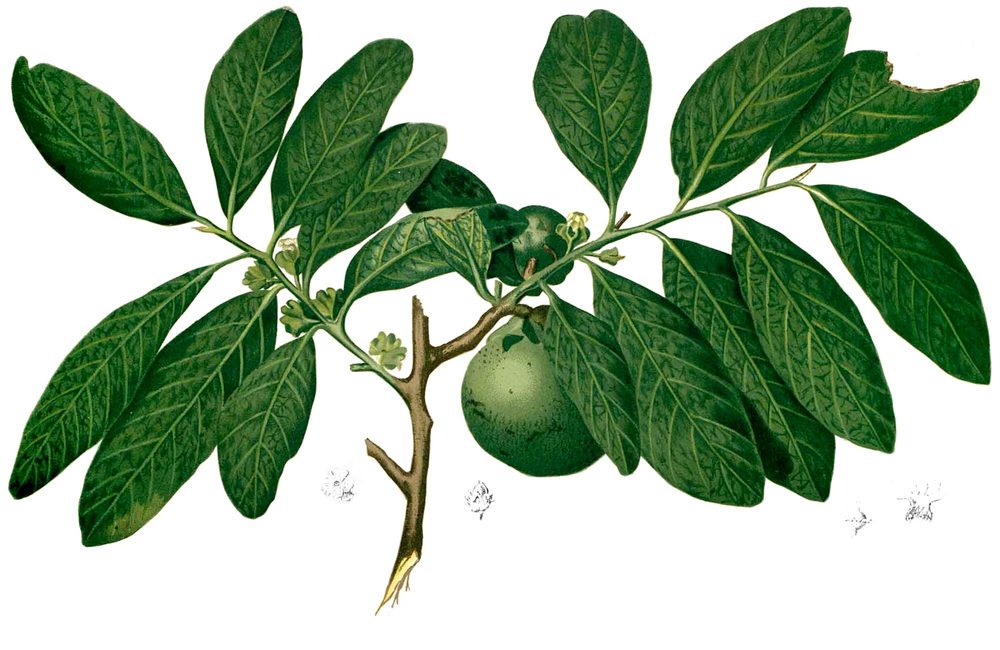
General Description
Common names include chocolate pudding fruit, black soapapple and zapote prieto. The tropical fruit tree is native to Mexico, Central America, and Colombia. The common name sapote refers to any soft, edible fruit. Black sapote is not related to white sapote and is only distantly related to mamey sapote. The genus Diospyros has numerous other fruit bearing tree species in addition to the persimmons and black sapote. It is said to taste like chocolate pudding.
Family Context
The Ebenaceae family is primarily tropical. Notable medicinal members include:
- Diospyros tomentosa — 29 documented uses
- Persimmon — 24 documented uses
- American Persimmon — 19 documented uses
- Diospyros melanoxylon — 15 documented uses
Geographic Distribution
Black Sapote has been recorded in 10 countries and territories worldwide, including Brazil, Belize, Cook Islands, Colombia, Costa Rica, and others.
Active Compounds
Phytochemical research has identified 12 compounds in this species, including a diverse array of phytochemical classes (see the Complete Chemical Inventory below for the full list).
Research Status
Although this species has documented phytochemical constituents, its ethnobotanical and clinical documentation remains incomplete. Systematic pharmacological studies are needed to validate the traditional uses attributed to this species.