Botanical Overview
Diospyros crassiflora is a species in the Ebenaceae family. The ebony family (Ebenaceae) includes trees and shrubs with hard, dense wood and alternate leaves. The plants are dioecious (male and female flowers on separate plants) and produce berry-like fruits. Several species are valued for their dark heartwood used in woodworking. Phytochemical data for this species are limited at present.
General Description
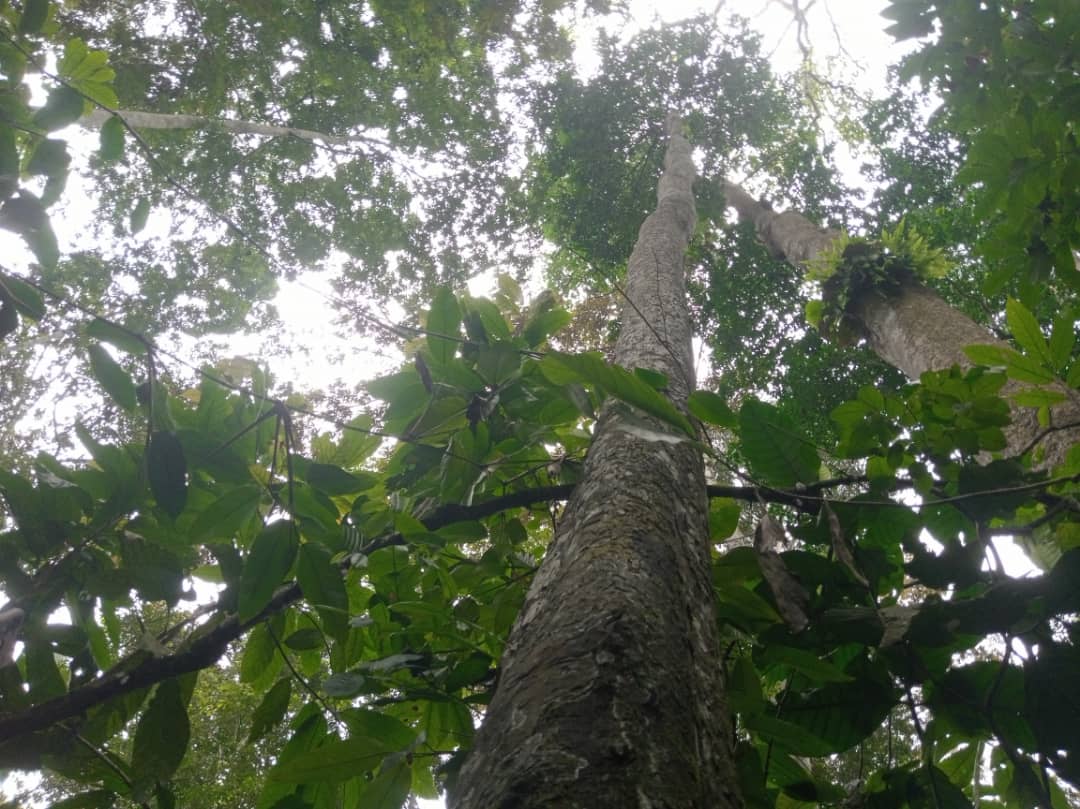
It is named after the Central African nation of Gabon, though it also occurs in Cameroon, Central African Republic, Republic of the Congo, Democratic Republic of the Congo, Equatorial Guinea and Nigeria. The wood this particular tree produces is believed to be the blackest of all timber-producing Diospyros species, and the heartwood from this tree has been used since ancient Egyptian times. It is hard and durable with very fine pores, and it polishes to a high luster. It is used to make sculptures, carvings, walking sticks, pool cues, doorknobs, tool and knife handles, gun grips, the black keys on pianos, organ-stops, guitar fingerboards and bridges, and chess pieces. It is the wood of choice for the fingerboards, tailpieces, and tuning pegs used on all orchestral stringed instruments, including violins, violas, cellos, and double basses. The species was classified as endangered on the International Union for Conservation of Nature red list in 1998. A second IUCN assessment in 2018 re-listed the species as vulnerable. The new assessment was based on a more detailed dataset of occurrence and abundance. It stated that “the most severe long-term threat is the conversion of forest to agriculture and grazing, as well as logging of other commercial timber species. “.
Family Context
The Ebenaceae family is primarily tropical. Notable medicinal members include:
- Diospyros tomentosa — 29 documented uses
- Persimmon — 24 documented uses
- American Persimmon — 19 documented uses
- Diospyros melanoxylon — 15 documented uses
Geographic Distribution
Diospyros crassiflora has been recorded in 10 countries and territories worldwide, including Congo (DRC), Central African Republic, Congo, Cameroon, Gabon, and others.
Active Compounds
Phytochemical research has identified 2 compounds in this species: betulin, betulinic-acid.
Research Status
Although this species has documented phytochemical constituents, its ethnobotanical and clinical documentation remains incomplete. Systematic pharmacological studies are needed to validate the traditional uses attributed to this species.