Botanical Overview
Mountain Yam (Dioscorea pentaphylla) belongs to the Dioscoreaceae family. Limited but reliable traditional records indicate this plant has recognized medicinal applications in one or more healing traditions. This species belongs to the Dioscoreaceae family, a group of flowering plants.
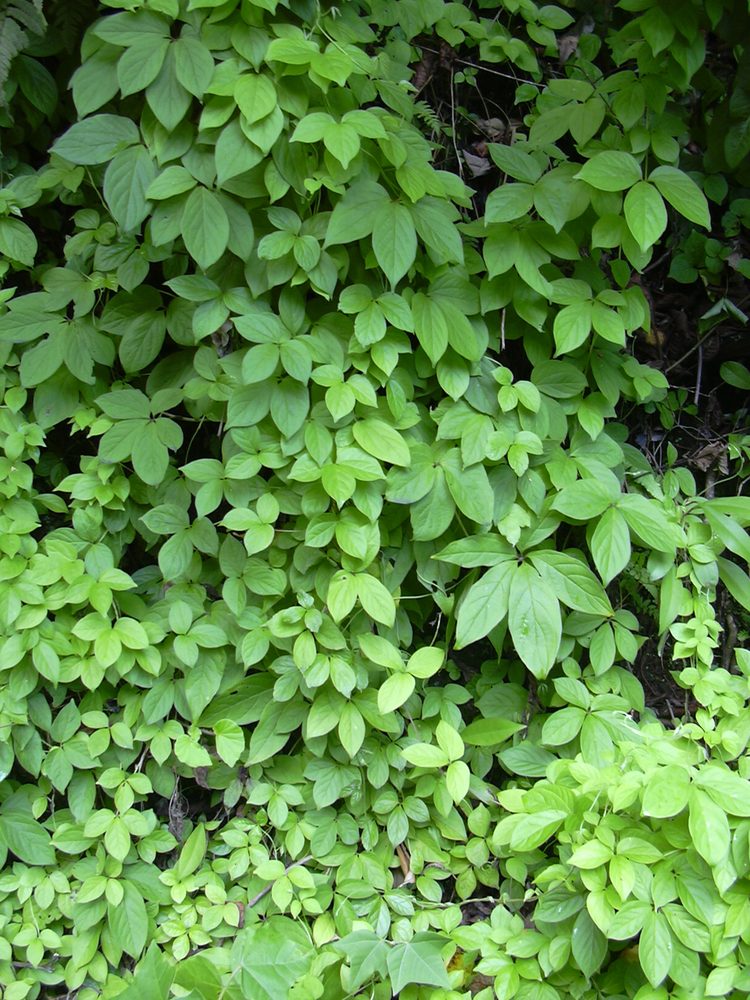
General Description
It is native to southern and eastern Asia (China, India, Indochina, Indonesia, Philippines, etc. ) as well as New Guinea, Sri Lanka and northern Australia. It is widely cultivated as a food crop and naturalized in Cuba and on several island chains in the Pacific (including Hawaii). Dioscorea pentaphylla is a prickly vine that twines counterclockwise around objects and other plants. It may reach 10 meters in length. The alternately arranged leaves are compound, divided into 3 to 5 leaflets each up to 10 centimeters long. The plant produces horseshoe-shaped bulbils about a centimeter long. New plants can sprout from the bulbils. Flowers are borne in spikes. The vine grows from a tuber. Specimens may weigh 3 pounds and may be located over a meter underground. The tubers of the vine can be cooked and eaten.
Family Context
The Dioscoreaceae family is widely distributed. Notable medicinal members include:
- Air Potato — 17 documented uses
- Wild Yam — 16 documented uses
- Greater Yam — 7 documented uses
- Barbasco — 1 documented uses
Geographic Distribution
Mountain Yam has been recorded in 10 countries and territories worldwide, including China, Indonesia, India, Sri Lanka, Malaysia, and others.
Traditional Uses
Mountain Yam has been traditionally used for pain and inflammation and metabolic and nutritional health.
Pain and inflammation.
- Swelling
For pain and inflammation, preparations are applied both topically as compresses and taken internally. A warm poultice draws blood to the area and promotes healing, while internal preparations address systemic inflammation.
Metabolic and nutritional health.
- Tonic
Metabolic applications include consuming the plant as a food, fresh juice, or herbal infusion. Regular use supports the body’s natural metabolic processes and nutritional status.
Active Compounds
Phytochemical research has identified 30 compounds in this species, including a diverse array of phytochemical classes (see the Complete Chemical Inventory below for the full list).
The identified compounds include the following categories:
- Sterol: cholesterol-like compounds with anti-inflammatory properties
- Alkaloid: nitrogenous compounds with diverse pharmacological activities