Botanical Overview
Barbasco (Dioscorea composita) belongs to the Dioscoreaceae family. While not among the most extensively documented medicinal plants, this species has recorded uses that warrant attention from researchers and practitioners. This species belongs to the Dioscoreaceae family, a group of flowering plants.
General Description
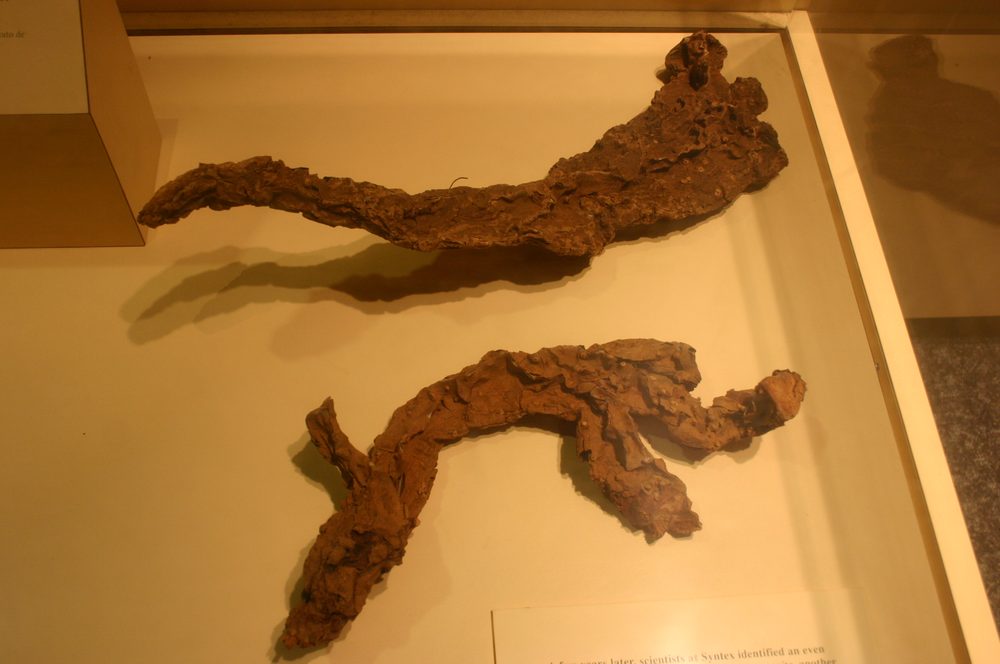
It is native to Mexico. It is notable for its role in the production of diosgenin, which is a precursor for the synthesis of hormones such as progesterone. Russell Marker developed the extraction and manufacture of hormones from D. mexicana at Syntex, starting the trade of D. composita in Mexico. Marker also discovered that the composita variety had a much higher content of diosgenin than the mexicana variety, and therefore it came to replace the latter in the production of synthetic hormones.
Family Context
The Dioscoreaceae family is widely distributed. Notable medicinal members include:
- Air Potato — 17 documented uses
- Wild Yam — 16 documented uses
- Greater Yam — 7 documented uses
- Mountain Yam — 5 documented uses
Geographic Distribution
Barbasco has been recorded in 10 countries and territories worldwide, including Afghanistan, Brazil, Belize, Ecuador, United Kingdom, and others.
Active Compounds
Phytochemical research has identified 2 compounds in this species: diosgenin, sapogenins.