Botanical Overview
Dillenia indica belongs to the Dilleniaceae family. While not among the most extensively documented medicinal plants, this species has recorded uses that warrant attention from researchers and practitioners. The dillenia family (Dilleniaceae) includes trees, shrubs, and climbers with simple, alternate leaves with prominent parallel veins. The flowers are showy with five petals and numerous stamens. Species in this family are primarily tropical and produce fruits with fleshy calyces.
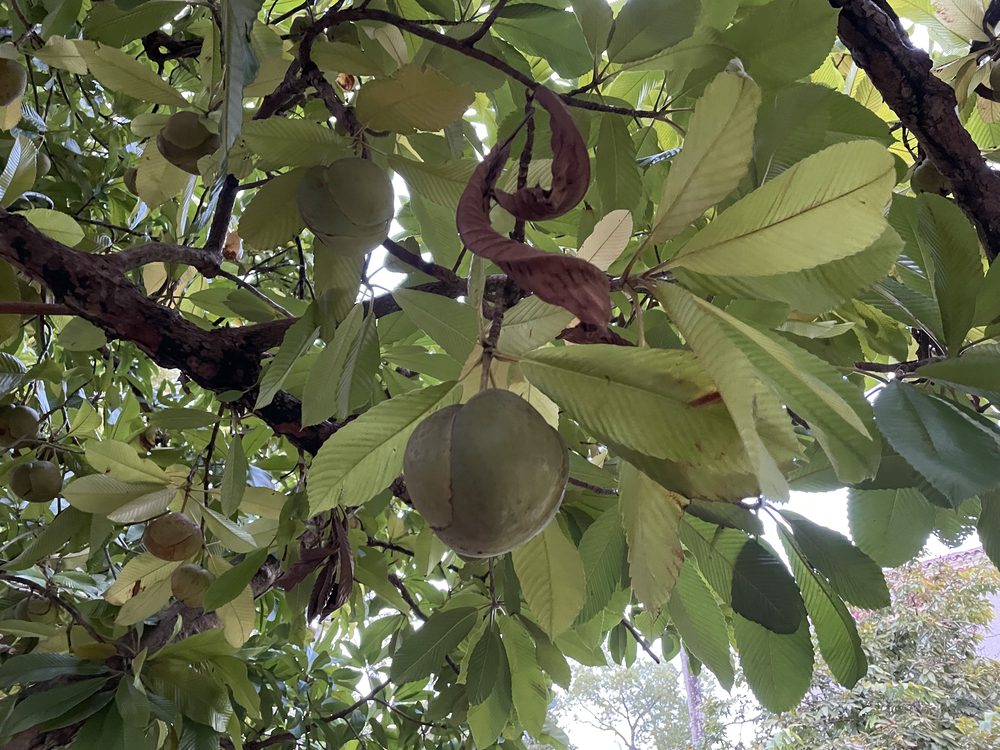
General Description
It is found in stony river banks. This species was one of the many first described by Linnaeus in the 10th edition of his Systema Naturae in 1759.
Family Context
The Dilleniaceae family is primarily tropical. Notable medicinal members include:
- Tetracera scandens — 9 documented uses
- Dillenia pentagyna — 7 documented uses
- Curatella americana — 6 documented uses
- Tetracera indica — 6 documented uses
Geographic Distribution
Dillenia indica has been recorded in 10 countries and territories worldwide, including Brazil, China, Indonesia, India, Malaysia, and others.
Traditional Uses
Dillenia indica has been traditionally used for digestive health and metabolic and nutritional health.
Digestive health.
- Ache(Stomach)
- Laxative
For digestive complaints, the herb is typically prepared as a tea or decoction taken before meals. The bitter compounds stimulate digestive secretions and improve nutrient absorption. Some traditions use the powdered root or leaves in small doses as a stomachic tonic.
Metabolic and nutritional health.
- Tonic
Metabolic applications include consuming the plant as a food, fresh juice, or herbal infusion. Regular use supports the body’s natural metabolic processes and nutritional status.
Active Compounds
Phytochemical research has identified 2 compounds in this species: betulin, betulinic-acid.