Botanical Overview
Dictamnus hispanicus belongs to the Rutaceae family. While not among the most extensively documented medicinal plants, this species has recorded uses that warrant attention from researchers and practitioners. The citrus family (Rutaceae) includes trees and shrubs with gland-dotted leaves that release aromatic oils when crushed. The flowers are typically white with four or five petals, and the fruits are often modified berries with a leathery rind. Most species produce alkaloids and limonoids with medicinal activity.
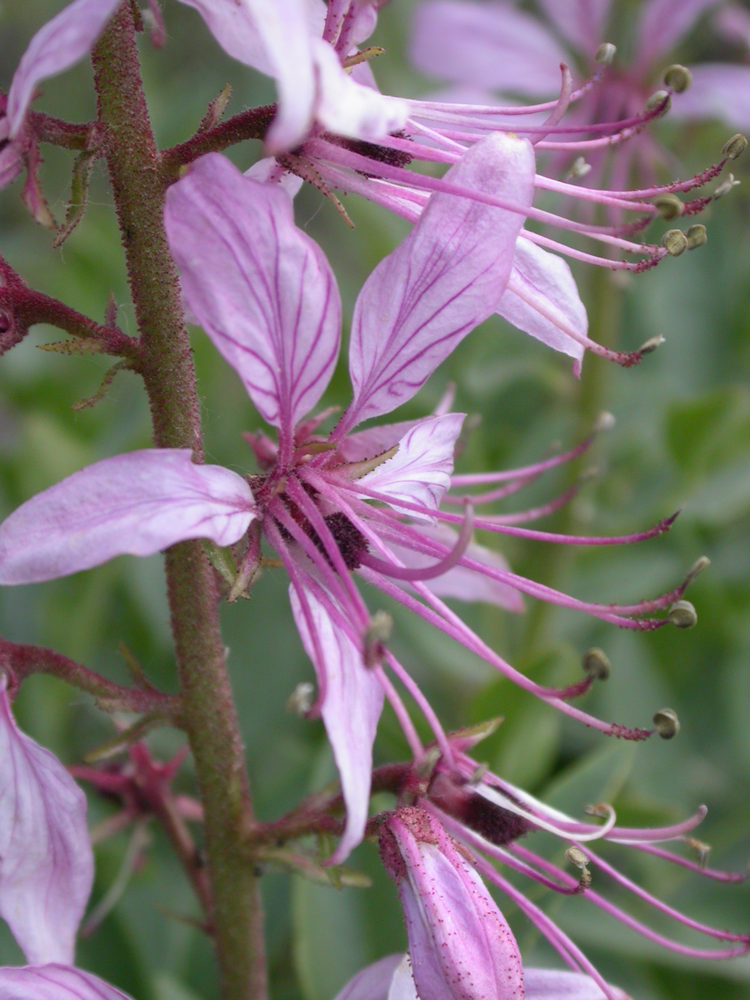
General Description
Dictamnus hispanicus is a species of flowering plant in the family Rutaceae.
Family Context
The Rutaceae family is primarily tropical and subtropical. Notable medicinal members include:
- Kabusu — 76 documented uses
- Petitgrain — 76 documented uses
- Rue — 54 documented uses
- Orange — 47 documented uses
Geographic Distribution
Dictamnus hispanicus has been recorded in , and Spain.
Traditional Uses
Dictamnus hispanicus has been traditionally used for reproductive health.
Reproductive health.
- Abortifacient
In traditional contexts, reproductive health applications typically involve internal preparations such as teas or decoctions. The herb may be taken at specific times during the menstrual cycle.
Active Compounds
Phytochemical research has identified 2 compounds in this species: limonene, methyl-chavicol.