Botanical Overview
Carnation (Dianthus caryophyllus) belongs to the Caryophyllaceae family. Limited but reliable traditional records indicate this plant has recognized medicinal applications in one or more healing traditions. This species belongs to the Caryophyllaceae family, a group of flowering plants.
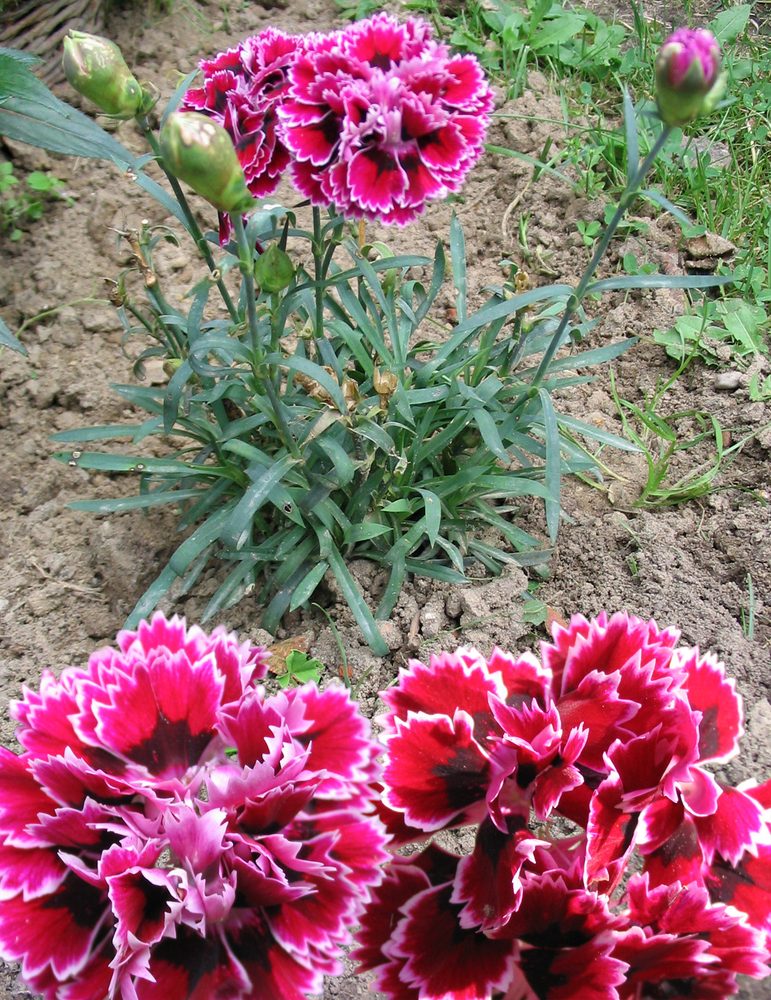
General Description
While its exact natural range is uncertain due to extensive cultivation over the last 2,000 years, wild carnations are most common in the Mediterranean region. Carnations are prized for their wide variety of colors, delicate fringed petals, and fragrance, often described as spicy, clove-like, or reminiscent of a combination of cinnamon and nutmeg, hence the common name “clove pink”. This aroma has made carnations a popular choice for use in perfumes, potpourri, and scented products. Culturally, carnations are associated with affection, distinction, and maternal love, with variations depending on color and area within its wide geographical range.
Family Context
The Caryophyllaceae family is widely distributed. Notable medicinal members include:
- Chickweed — 20 documented uses
- Dianthus superbus — 18 documented uses
- Corn Cockle — 8 documented uses
- Gypsophila struthium — 7 documented uses
Geographic Distribution
Carnation has been recorded in 10 countries and territories worldwide, including Brazil, Switzerland, Spain, France, United Kingdom, and others.
Traditional Uses
Carnation has been traditionally used for digestive health and metabolic and nutritional health.
Digestive health.
- Vermifuge
For digestive complaints, the herb is typically prepared as a tea or decoction taken before meals. The bitter compounds stimulate digestive secretions and improve nutrient absorption. Some traditions use the powdered root or leaves in small doses as a stomachic tonic.
Metabolic and nutritional health.
- Diaphoretic
- Tonic
Metabolic applications include consuming the plant as a food, fresh juice, or herbal infusion. Regular use supports the body’s natural metabolic processes and nutritional status.
Active Compounds
Phytochemical research has identified 26 compounds in this species, including a diverse array of phytochemical classes (see the Complete Chemical Inventory below for the full list).
The identified compounds include the following categories:
- Flavonoid: antioxidant compounds that protect cells from oxidative damage
- Alkaloid: nitrogenous compounds with diverse pharmacological activities
- Saponin: soap-like compounds with immune-modulating activity