Botanical Overview
Sweet William (Dianthus barbatus) is a species in the Caryophyllaceae family. This species belongs to the Caryophyllaceae family, a group of flowering plants. Although comprehensive ethnobotanical records are limited, phytochemical studies have identified 15 compounds in this species, suggesting potential medicinal value.
General Description
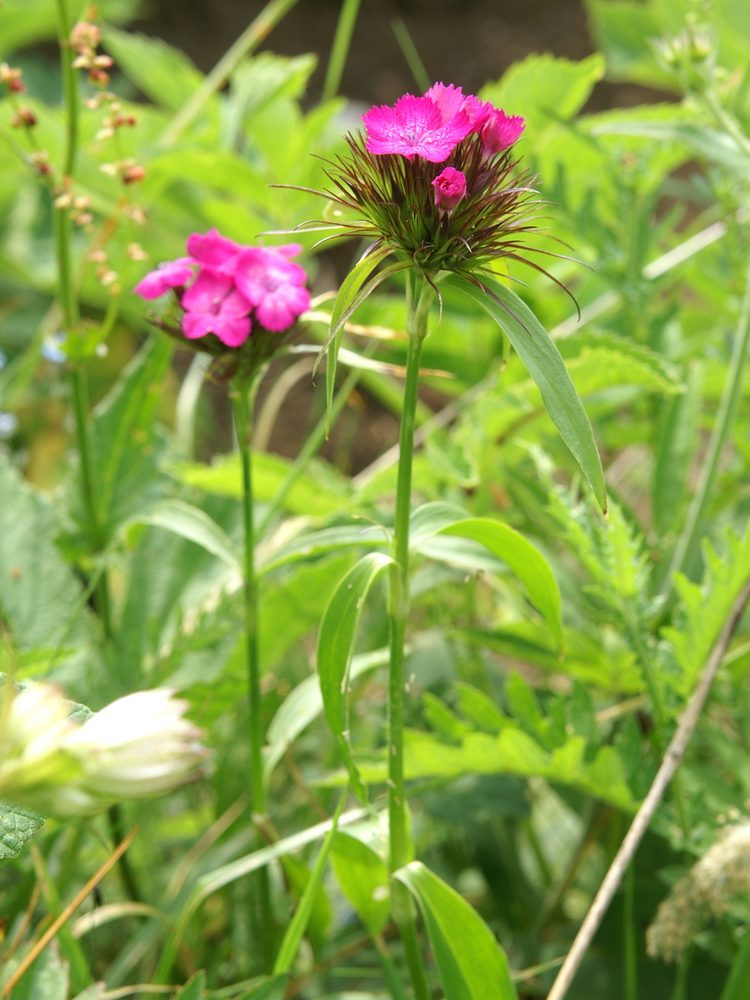
It has become a popular ornamental garden plant. It is a herbaceous biennial or short-lived perennial plant growing to 13–92 cm tall, with flowers in a dense cluster of up to 30 at the top of the stems. Each flower is 2–3 cm diameter with five petals displaying serrated edges. Wild plants produce red flowers with a white base, but colours in cultivars range from white, pink, red, and purple to variegated patterns. The exact origin of its English common name is unknown but first appears in 1596 in botanist John Gerard’s garden catalogue. The flowers are edible and may have medicinal properties. Sweet William attracts bees, birds, and butterflies.
Family Context
The Caryophyllaceae family is widely distributed. Notable medicinal members include:
- Chickweed — 20 documented uses
- Dianthus superbus — 18 documented uses
- Corn Cockle — 8 documented uses
- Gypsophila struthium — 7 documented uses
Geographic Distribution
Sweet William has been recorded in 10 countries and territories worldwide, including Austria, Belgium, Canada, Germany, France, and others.
Active Compounds
Phytochemical research has identified 15 compounds in this species, including a diverse array of phytochemical classes (see the Complete Chemical Inventory below for the full list).
The identified compounds include the following categories:
- Flavonoid: antioxidant compounds that protect cells from oxidative damage
- Alkaloid: nitrogenous compounds with diverse pharmacological activities
Research Status
Although this species has documented phytochemical constituents, its ethnobotanical and clinical documentation remains incomplete. Additional phytochemical investigation could identify novel bioactive compounds in this plant.