Botanical Overview
Dendroseris neriifolia is a species in the Asteraceae family. The daisy family (Asteraceae) is one of the largest plant families, characterized by composite flower heads (capitula) that contain many small florets surrounded by bracts. Plants range from tiny alpine herbs to large tropical trees. The family includes many medicinally important species with bitter compounds and essential oils. Phytochemical data for this species are limited at present.
General Description
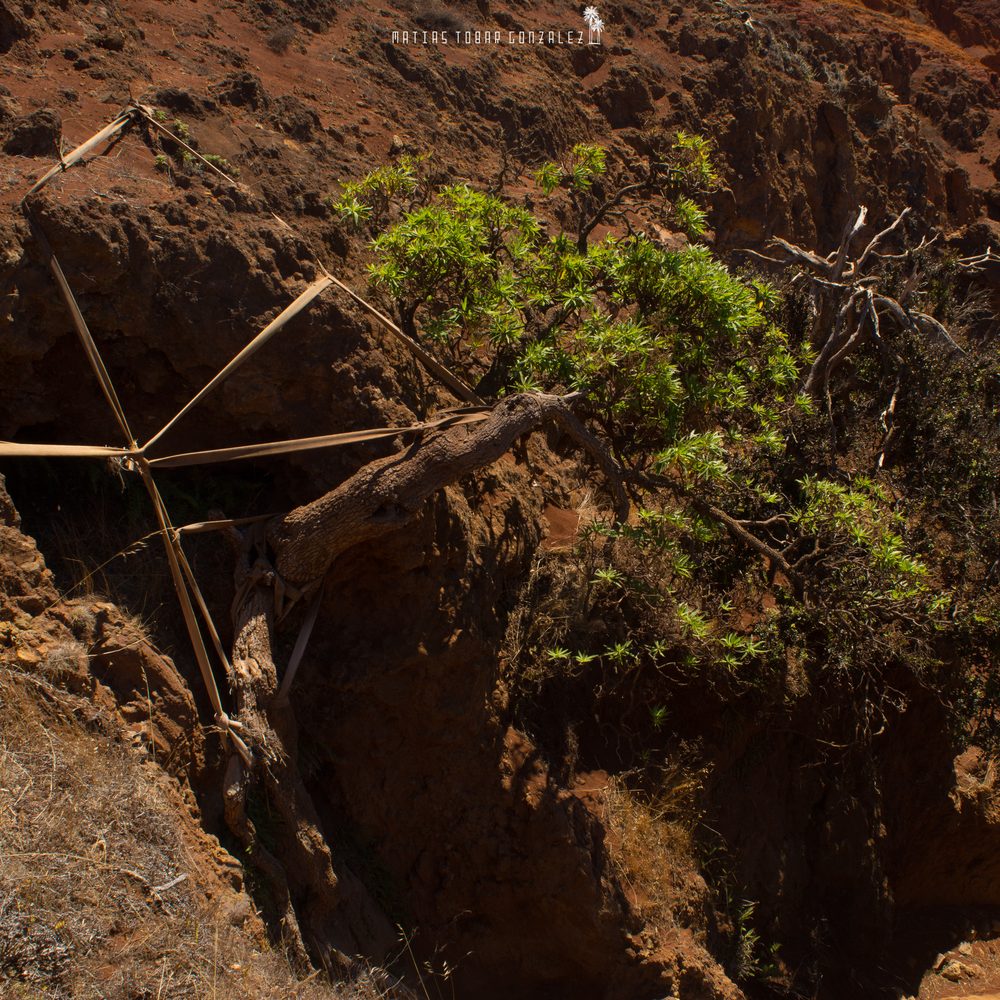
It is a tree with droopy, elongated leaves and small yellow-white flowers. The plant was originally native to Continental Chile but is now endemic to Robinson Crusoe Island. The plant is endangered and very rare: only two specimens are known to exist in a ravine in the eastern part of the island, although there exist other human-cultivated specimens. It is classified as critically endangered by the World Conservation Monitoring Centre. In a collaboration between the Millennium Seed Bank (MSB) at Kew Wakehurst near Haywards Heath and the National Forest Corporation (CONAF) with Parque Nacional Archipiélago Juan Fernández (PNAJF) 29 seeds were sent to Kew, of which eight are now germinating. Three will be sent to Logan Botanic Garden in Scotland once they are big enough. The other 21 seeds will be put in long-term storage at the MSB at Kew.
Family Context
The Asteraceae family is extremely large and diverse. Notable medicinal members include:
- Yarrow — 63 documented uses
- Gobo — 63 documented uses
- Mugwort — 55 documented uses
- Sunflower — 52 documented uses
Geographic Distribution
Dendroseris neriifolia has been recorded in , and Chile.
Active Compounds
Phytochemical research has identified 1 compound in this species: betulinic-acid.
Research Status
Although this species has documented phytochemical constituents, its ethnobotanical and clinical documentation remains incomplete. Systematic pharmacological studies are needed to validate the traditional uses attributed to this species.