Botanical Overview
Swamp Taro (Cyrtosperma chamissonis) is a species in the Araceae family. The arum family (Araceae) includes herbs, climbers, and aquatics with a distinctive inflorescence consisting of a fleshy spike (spadix) surrounded by a modified leaf (spathe). Many species produce calcium oxalate crystals and acrid compounds that cause intense irritation. Despite this, several are used medicinally after proper preparation. Although comprehensive ethnobotanical records are limited, phytochemical studies have identified 30 compounds in this species, suggesting potential medicinal value.
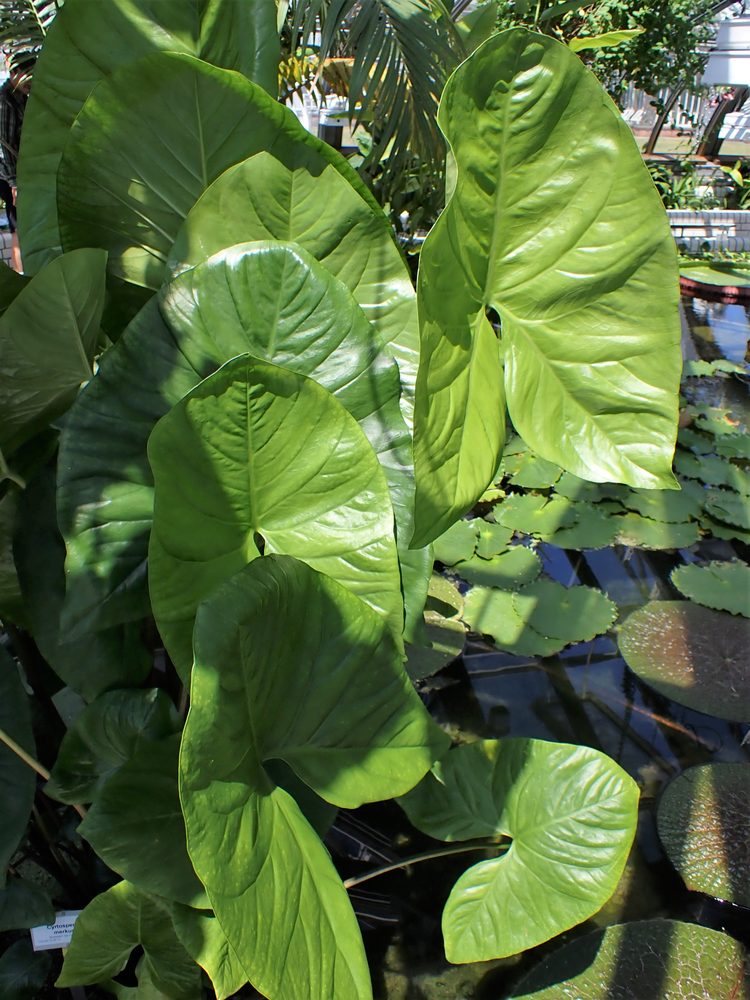
General Description
It is a riverine and “swamp crop” similar to taro, but “with bigger leaves and larger, coarser roots. " There are no demonstrably wild populations today, but it is believed to be native to Indonesia. It is known as puraka in Cook Islands, lak in Yap, babai in Kiribati, iaraj in the Marshall Islands, brak in Palau, babaʻ in the Marianas Islands, pula’a in Samoa, via kana, Pulaka in Lau, Lovo in Fiji, pulaka in Tokelau and Tuvalu, mwahng in Pohnpei, pasruk in Kosrae, simiden in Chuuk, swam taro in Papua New Guinea, ‘kakake’ in Solomon Islands navia in Vanuatu and palawan in the Philippines.
Family Context
The Araceae family is widely distributed. Notable medicinal members include:
- Jack-In-The-Pulpit — 34 documented uses
- Taro — 34 documented uses
- Skunk Cabbage — 33 documented uses
- Dumbcane — 27 documented uses
Geographic Distribution
Swamp Taro has been recorded in 10 countries and territories worldwide, including Cook Islands, Fiji, Micronesia, Guam, Kiribati, and others.
Active Compounds
Phytochemical research has identified 30 compounds in this species, including a diverse array of phytochemical classes (see the Complete Chemical Inventory below for the full list).
The identified compounds include the following categories:
- Alkaloid: nitrogenous compounds with diverse pharmacological activities
Research Status
Although this species has documented phytochemical constituents, its ethnobotanical and clinical documentation remains incomplete. Systematic pharmacological studies are needed to validate the traditional uses attributed to this species.