Botanical Overview
Ladyslipper (Cypripedium pubescens) belongs to the Orchidaceae family. While not among the most extensively documented medicinal plants, this species has recorded uses that warrant attention from researchers and practitioners. This species belongs to the Orchidaceae family, a group of flowering plants.
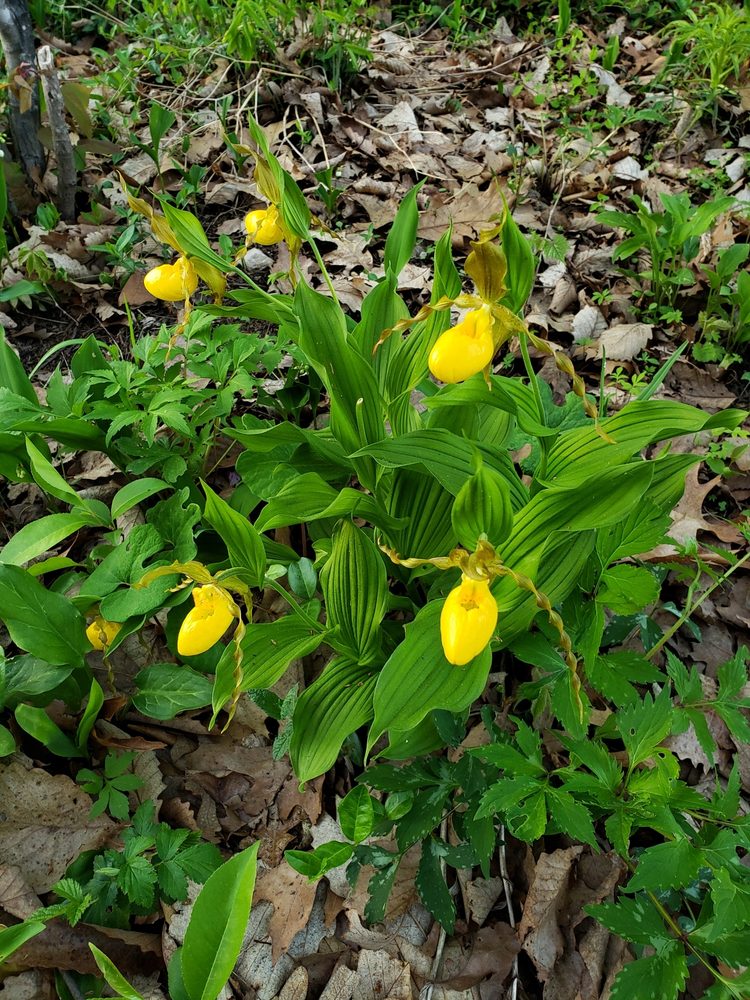
General Description
It is widespread, ranging from Alaska south to Arizona and Georgia. It grows in fens, wetlands, shorelines, and damp woodlands.
Family Context
The Orchidaceae family is widely distributed. Notable medicinal members include:
- Hyacinth Orchid — 31 documented uses
- Tian Ma — 26 documented uses
- Vanilla — 13 documented uses
- Noble Dendrobium — 11 documented uses
Geographic Distribution
Ladyslipper has been recorded in Canada, Germany, Lebanon, United States, and ZZ.
Traditional Uses
Ladyslipper has been traditionally used for nervous system disorders.
Nervous system disorders.
- Sedative
Nervous system support involves taking the herb as a warm tea, often in the evening or before bed. The calming compounds interact with neurotransmitter systems to promote relaxation and restful sleep.
Active Compounds
Phytochemical research has identified 20 compounds in this species, including a diverse array of phytochemical classes (see the Complete Chemical Inventory below for the full list).