Botanical Overview
Cyperus articulatus belongs to the Cyperaceae family. While not among the most extensively documented medicinal plants, this species has recorded uses that warrant attention from researchers and practitioners. This species belongs to the Cyperaceae family, a group of flowering plants.
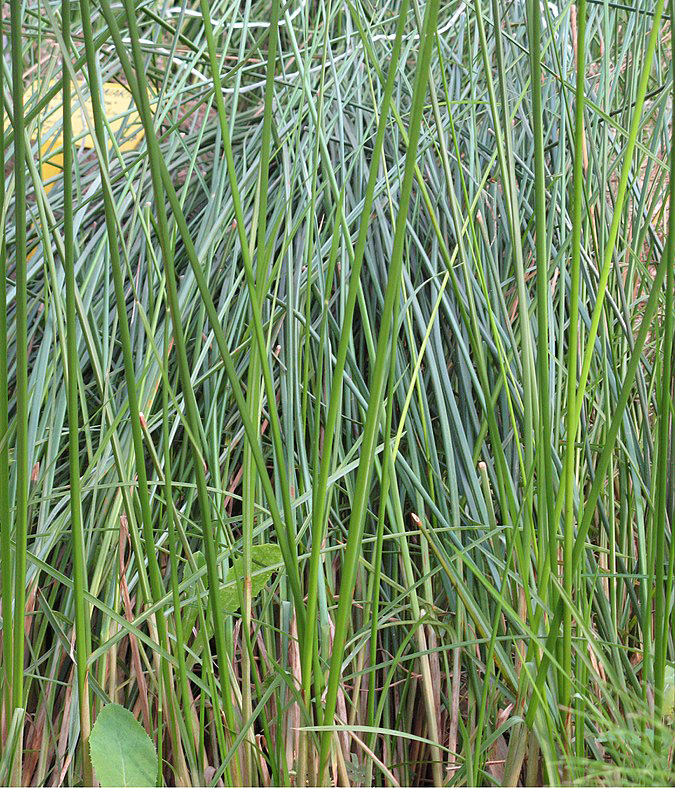
General Description
It has also been known as Guinea rush or adrue. It grows as a perennial herb. It grows in water or near it in rivers, streams, lakes, and swamps with a hyperhydrate (emergent aquatic) or possibly tenagophyte (submerged juvenile and terrestrial adult) growth pattern. It is widespread across tropical and subtropical regions in Africa, southern Asia, northern Australia, the southeastern United States, the West Indies, and Latin America. While it is closely related to highly invasive sedges such as purple nut sedge (Cyperus rotundus), priprioca is less prolific and competitive than its relative.
Family Context
The Cyperaceae family is widely distributed. Notable medicinal members include:
- Nutsedge — 63 documented uses
- Scirpus tuberosus — 5 documented uses
- Water chestnut — 2 documented uses
Geographic Distribution
Cyperus articulatus has been recorded in 10 countries and territories worldwide, including Benin, Brazil, Botswana, Congo (DRC), Israel, and others.
Traditional Uses
Cyperus articulatus has been traditionally used for digestive health and nervous system disorders.
Digestive health.
- Colic
- Dyspepsia
For digestive complaints, the herb is typically prepared as a tea or decoction taken before meals. The bitter compounds stimulate digestive secretions and improve nutrient absorption. Some traditions use the powdered root or leaves in small doses as a stomachic tonic.
Nervous system disorders.
- Sedative
Nervous system support involves taking the herb as a warm tea, often in the evening or before bed. The calming compounds interact with neurotransmitter systems to promote relaxation and restful sleep.