Botanical Overview
Artichoke (Cynara scolymus) belongs to the Asteraceae family. While not among the most extensively documented medicinal plants, this species has recorded uses that warrant attention from researchers and practitioners. The daisy family (Asteraceae) is one of the largest plant families, characterized by composite flower heads (capitula) that contain many small florets surrounded by bracts. Plants range from tiny alpine herbs to large tropical trees. The family includes many medicinally important species with bitter compounds and essential oils.
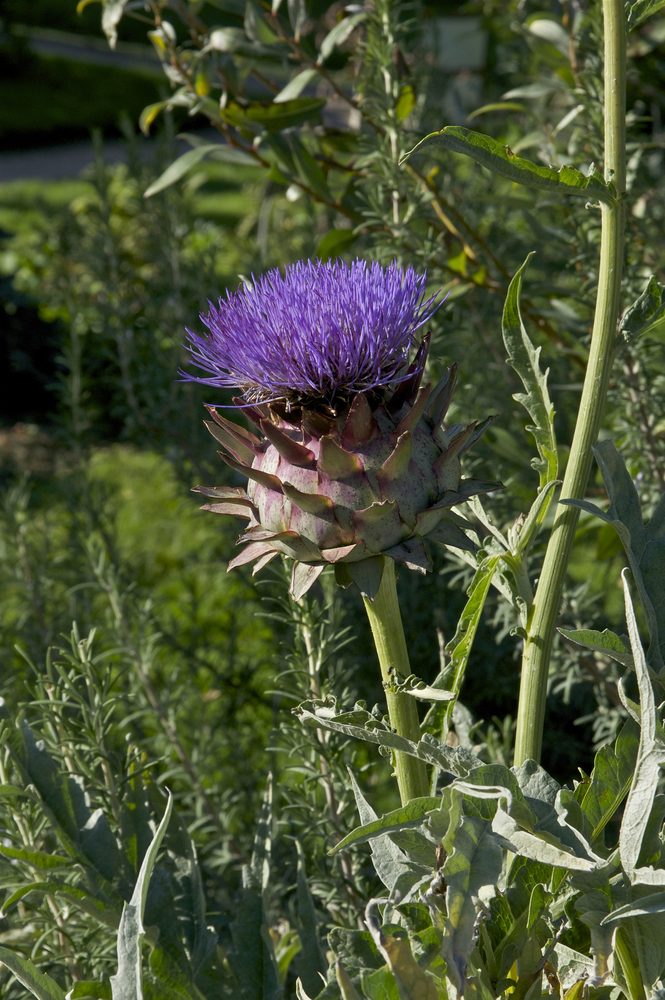
General Description
The artichoke is a variety of a species of thistle cultivated as food.
Family Context
The Asteraceae family is extremely large and diverse. Notable medicinal members include:
- Yarrow — 63 documented uses
- Gobo — 63 documented uses
- Mugwort — 55 documented uses
- Sunflower — 52 documented uses
Geographic Distribution
Artichoke has been recorded in 10 countries and territories worldwide, including Belgium, Brazil, Colombia, Spain, France, and others.
Traditional Uses
Artichoke has been traditionally used for urinary tract health, pain and inflammation, and cardiovascular health, among other applications.
Urinary tract health.
- Diuretic
- Cystitis
Urinary tract applications typically involve drinking the herb as a mild tea, which increases urine production and helps flush the urinary system. It may be combined with other demulcent herbs to soothe irritated tissues.
Pain and inflammation.
- Rheumatism
For pain and inflammation, preparations are applied both topically as compresses and taken internally. A warm poultice draws blood to the area and promotes healing, while internal preparations address systemic inflammation.
Cardiovascular health.
- Hypertension