Botanical Overview
East Indian Lemongrass (Cymbopogon flexuosus) belongs to the Poaceae family. Limited but reliable traditional records indicate this plant has recognized medicinal applications in one or more healing traditions. The grass family (Poaceae) includes annual and perennial herbs with hollow, jointed stems and narrow leaves with parallel venation. The flowers are reduced and arranged in spikelets, and the fruits are grains (caryopses). This family provides the majority of the world’s food calories through cereals.
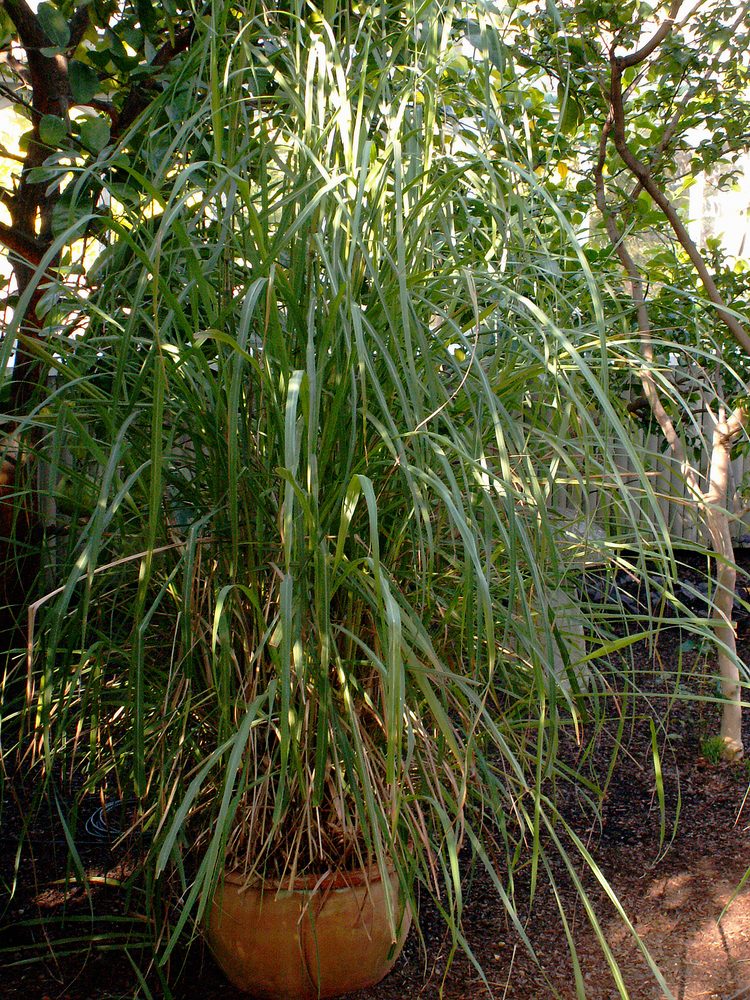
General Description
It is placed in the genus Cymbopogon (lemongrasses).
Family Context
The Poaceae family is very large and globally distributed. Notable medicinal members include:
- Adlay — 54 documented uses
- Corn — 51 documented uses
- Rice — 47 documented uses
- West Indian Lemongrass — 43 documented uses
Active Compounds
Phytochemical research has identified 18 compounds in this species, including a diverse array of phytochemical classes (see the Complete Chemical Inventory below for the full list).
The identified compounds include the following categories:
- Sterol: cholesterol-like compounds with anti-inflammatory properties