Botanical Overview
Shoti (Curcuma zedoaria) is a flowering plant in the Zingiberaceae family. Traditional medicine systems have documented several valuable applications for this species, supported by its observed therapeutic effects. The ginger family (Zingiberaceae) includes tropical aromatic herbs with rhizomatous root systems, spiral leaves, and showy flowers with petal-like staminodes. Many species produce essential oils in specialized oil cells throughout their tissues. This family is renowned for culinary spices and digestive medicines.
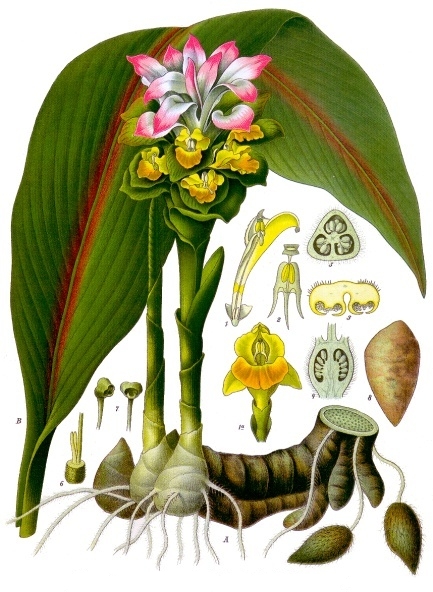
General Description
The plant is native to South Asia and Southeast Asia but is now naturalized in other places including the US state of Florida. Zedoary was one of the ancient food plants of the Austronesian peoples. They were spread during prehistoric times to the Pacific Islands and Madagascar during the Austronesian expansion. Its use as a spice in the West today is extremely rare, having been replaced by ginger, and to a lesser extent, yellow turmeric.
Family Context
The Zingiberaceae family is widely distributed. Notable medicinal members include:
- Ginger — 103 documented uses
- Turmeric — 38 documented uses
- Cardamom — 36 documented uses
- Maraba — 30 documented uses
Geographic Distribution
Shoti has been recorded in 10 countries and territories worldwide, including Bangladesh, Brazil, China, Costa Rica, Indonesia, and others.
Traditional Uses
Shoti has been traditionally used for digestive health, respiratory conditions, and metabolic and nutritional health, among other applications.
Digestive health.
- Carminative
- Stomachic
- Dyspepsia
- Colic
For digestive complaints, the herb is typically prepared as a tea or decoction taken before meals. The bitter compounds stimulate digestive secretions and improve nutrient absorption. Some traditions use the powdered root or leaves in small doses as a stomachic tonic.
Respiratory conditions.
- Cold
Respiratory conditions are addressed through steam inhalation of the herb’s vapors or internal use as a warm tea. The hot infusion acts as an expectorant, helping to loosen phlegm and clear congestion. Some traditions combine it with honey for coughs.
Metabolic and nutritional health.
- Tonic
Metabolic applications include consuming the plant as a food, fresh juice, or herbal infusion. Regular use supports the body’s natural metabolic processes and nutritional status.
Active Compounds
Phytochemical research has identified 30 compounds in this species, including a diverse array of phytochemical classes (see the Complete Chemical Inventory below for the full list).
The identified compounds include the following categories:
- Alkaloid: nitrogenous compounds with diverse pharmacological activities