Botanical Overview
Javan Turmeric (Curcuma xanthorrhiza) belongs to the Zingiberaceae family. While not among the most extensively documented medicinal plants, this species has recorded uses that warrant attention from researchers and practitioners. The ginger family (Zingiberaceae) includes tropical aromatic herbs with rhizomatous root systems, spiral leaves, and showy flowers with petal-like staminodes. Many species produce essential oils in specialized oil cells throughout their tissues. This family is renowned for culinary spices and digestive medicines.
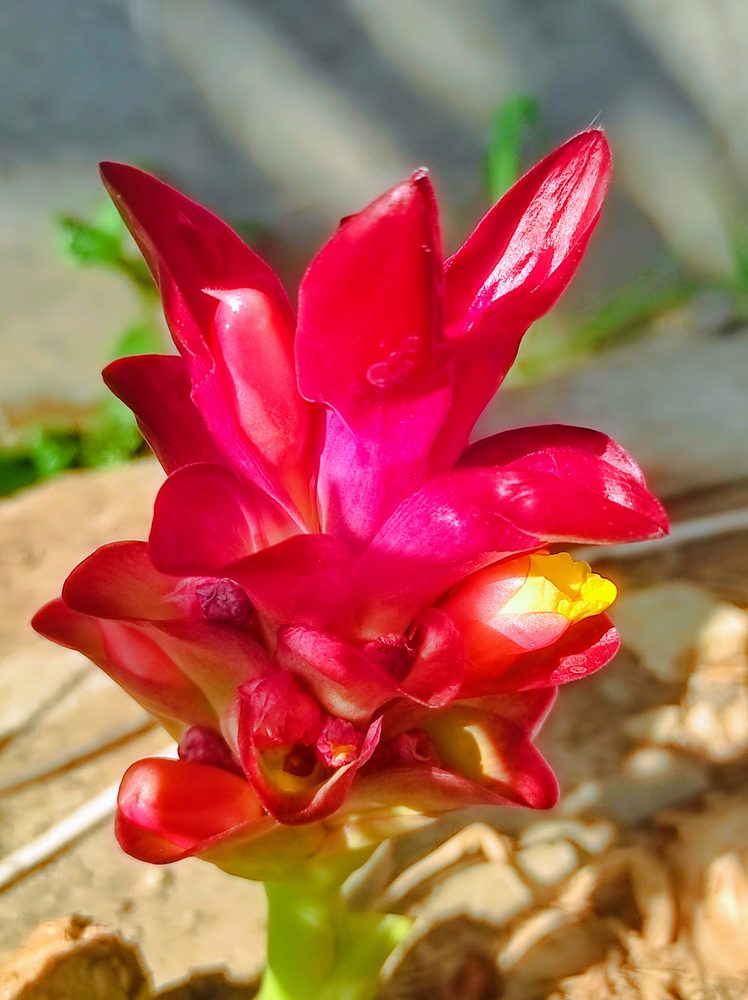
General Description
It is known in Javanese as temulawak, in Sundanese as koneng gede and in Madurese as temu labak. The scientific name is sometimes written as Curcuma xanthorrhiza, but this is an orthographical variant.
Family Context
The Zingiberaceae family is widely distributed. Notable medicinal members include:
- Ginger — 103 documented uses
- Turmeric — 38 documented uses
- Cardamom — 36 documented uses
- Maraba — 30 documented uses
Geographic Distribution
Javan Turmeric has been recorded in China, Indonesia, India, Japan, and Malaysia.
Traditional Uses
Javan Turmeric has been traditionally used for digestive health, pain and inflammation, and reproductive health.
Digestive health.
- Dyspepsia
For digestive complaints, the herb is typically prepared as a tea or decoction taken before meals. The bitter compounds stimulate digestive secretions and improve nutrient absorption. Some traditions use the powdered root or leaves in small doses as a stomachic tonic.
Pain and inflammation.
- Rheumatism
For pain and inflammation, preparations are applied both topically as compresses and taken internally. A warm poultice draws blood to the area and promotes healing, while internal preparations address systemic inflammation.
Reproductive health.
- Emmenagogue
In traditional contexts, reproductive health applications typically involve internal preparations such as teas or decoctions. The herb may be taken at specific times during the menstrual cycle.
Active Compounds
Phytochemical research has identified 25 compounds in this species, including a diverse array of phytochemical classes (see the Complete Chemical Inventory below for the full list).