Botanical Overview
Buffalo Gourd (Cucurbita foetidissima) belongs to the Cucurbitaceae family. While not among the most extensively documented medicinal plants, this species has recorded uses that warrant attention from researchers and practitioners. The gourd family (Cucurbitaceae) includes climbing or trailing vines with tendrils, large alternate leaves, and showy yellow or white flowers that are typically unisexual. The fruits are fleshy gourds, melons, or squashes with many seeds. Many species produce cucurbitacins, bitter compounds with purgative and anti-inflammatory activity.
General Description
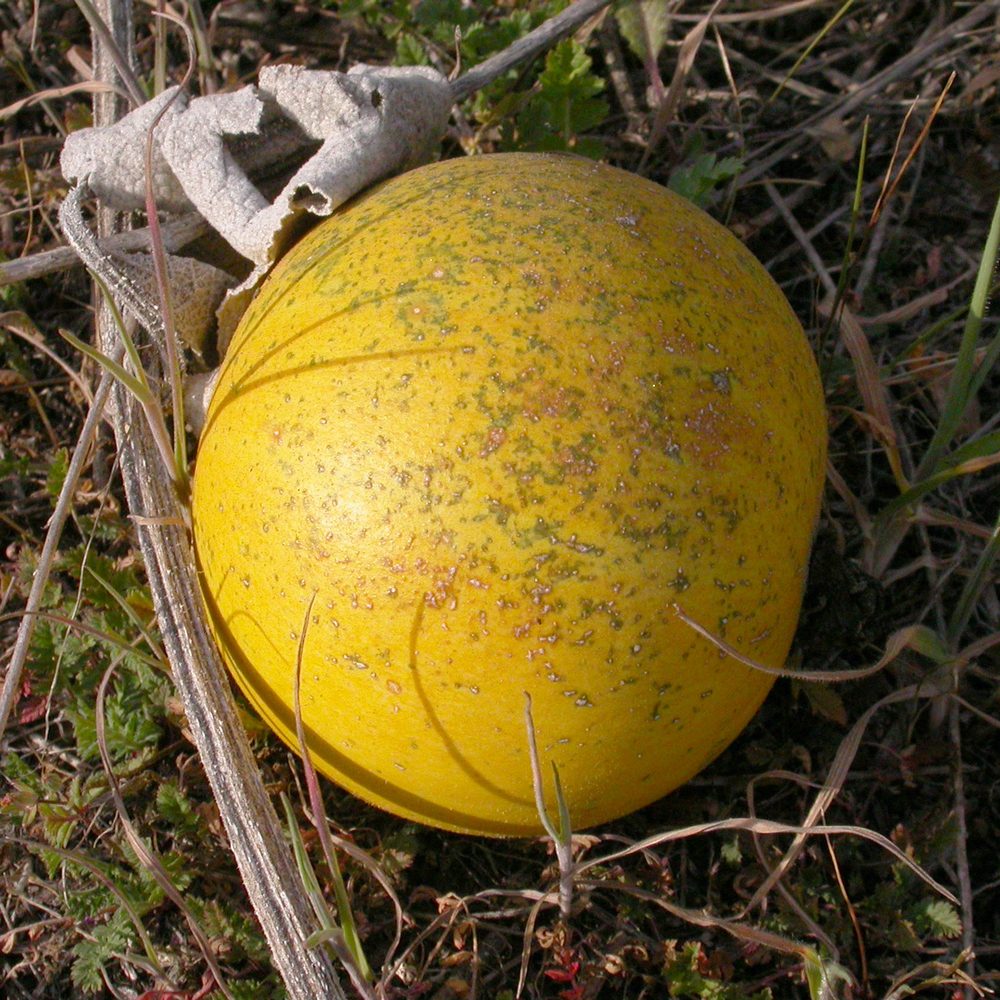
It has numerous common names, but is most commonly called the buffalo gourd in English. The type specimen was collected from Mexico by Alexander von Humboldt and Aimé Bonpland sometime before 1817. In Latin, foetidissima means most unpleasant smell. The buffalo gourd has evolved in the semiarid regions and is well-adapted to desert environments. It contains high amounts of protein and carbohydrates and yields abundant oil. The carbohydrates that are formed in the tap root have led to the idea of growing the plant for biofuel. The fruit is consumed by both humans and animals. When mature, a stage marked by increasing desiccation of vine, leaves, fruit-stem, and fruit, the fruit begins its final gourd stage. Geographic location and genetics make it highly likely that Cucurbita scabridifolia originated as a naturally occurring hybrid of C. foetidissima and Cucurbita pedatifolia.
Family Context
The Cucurbitaceae family is widely distributed in tropical and subtropical regions. Notable medicinal members include:
- Bitter Melon — 88 documented uses
- Luffa — 41 documented uses
- Calabash Gourd — 38 documented uses
- Chinese Cucumber — 31 documented uses
Geographic Distribution
Buffalo Gourd has been recorded in 10 countries and territories worldwide, including Afghanistan, Australia, Belgium, Brazil, Switzerland, and others.
Traditional Uses
Buffalo Gourd has been traditionally used for digestive health.
Digestive health.
- Laxative
For digestive complaints, the herb is typically prepared as a tea or decoction taken before meals. The bitter compounds stimulate digestive secretions and improve nutrient absorption. Some traditions use the powdered root or leaves in small doses as a stomachic tonic.
Active Compounds
Phytochemical research has identified 30 compounds in this species, including a diverse array of phytochemical classes (see the Complete Chemical Inventory below for the full list).
The identified compounds include the following categories:
- Flavonoid: antioxidant compounds that protect cells from oxidative damage
- Terpene: aromatic compounds with anti-inflammatory and antimicrobial properties
- Alkaloid: nitrogenous compounds with diverse pharmacological activities