Botanical Overview
Croton linearis belongs to the Euphorbiaceae family. While not among the most extensively documented medicinal plants, this species has recorded uses that warrant attention from researchers and practitioners. The spurge family (Euphorbiaceae) includes an extremely diverse group of plants ranging from small herbs to large trees, many with milky sap that can be irritating or toxic. The flowers are typically small and unisexual, often arranged in distinctive inflorescences. Many species contain diterpene esters and other bioactive compounds.
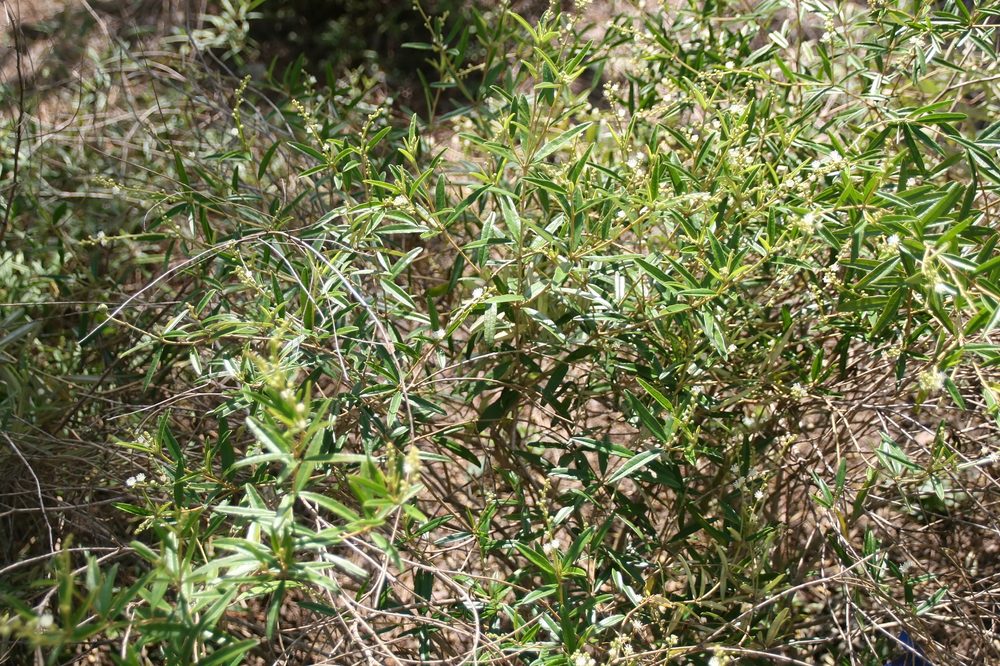
General Description
Croton linearis, commonly called pineland croton, is a flowering plant native to the Caribbean (including the Bahamas, Cuba, Jamaica, and Hispaniola) and south Florida.
Family Context
The Euphorbiaceae family is large and globally distributed. Notable medicinal members include:
- Castorbean — 105 documented uses
- Physic Nut — 95 documented uses
- Queensland Asthma Herb — 53 documented uses
- Spanish Physic Nut — 45 documented uses
Geographic Distribution
Croton linearis has been recorded in 10 countries and territories worldwide, including Brazil, Bahamas, Cuba, Germany, Dominican Republic, and others.
Traditional Uses
Croton linearis has been traditionally used for fever management.
Fever management.
- Fever
Febrifuge preparations are typically administered as hot teas to induce perspiration, which helps the body regulate temperature. The patient is kept warm and encouraged to rest while the herb promotes sweating.
Active Compounds
Phytochemical research has identified 8 compounds in this species, including a diverse array of phytochemical classes (see the Complete Chemical Inventory below for the full list).
The identified compounds include the following categories:
- Alkaloid: nitrogenous compounds with diverse pharmacological activities