Botanical Overview
Hawthorn (Crataegus monogyna) belongs to the Rosaceae family. While not among the most extensively documented medicinal plants, this species has recorded uses that warrant attention from researchers and practitioners. The rose family (Rosaceae) includes trees, shrubs, and herbs with five-petaled flowers and numerous stamens. Many species produce edible fruits such as apples, pears, cherries, and berries. The family includes both ornamental roses and many species with astringent and medicinal properties.
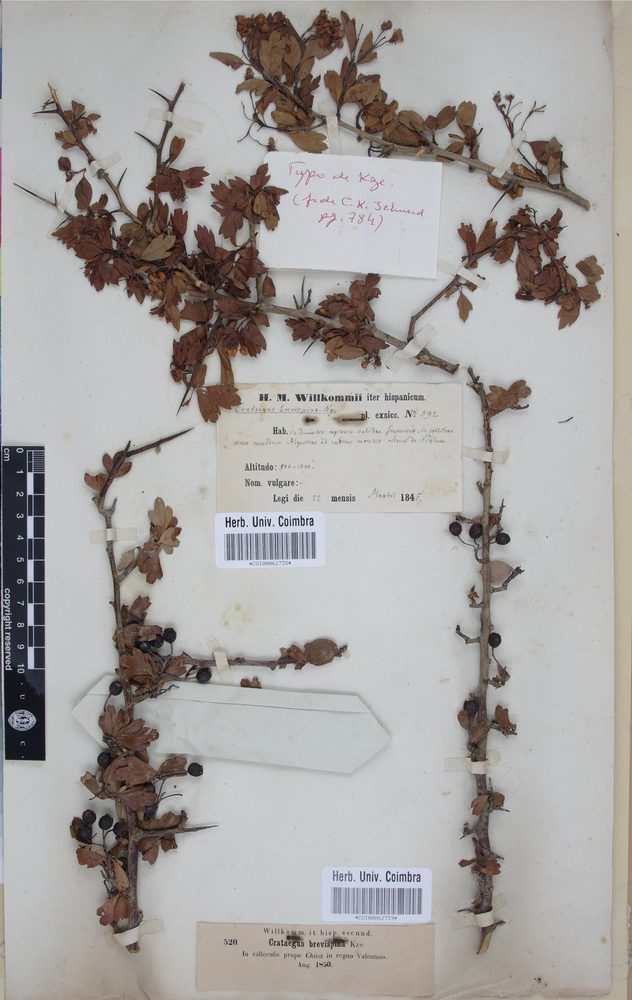
General Description
It grows to about 10 metres (33 feet) tall, producing hermaphrodite flowers in late spring. The berry-like pomes (known as haws) contain a stone-encased seed. The plant is native to Europe, but has been introduced in many other parts of the world. The pome flesh is of little culinary interest due to its dryness, but is used to make jellies. The young leaves and petals are also edible.
Family Context
The Rosaceae family is widely distributed in temperate regions. Notable medicinal members include:
- Peach — 51 documented uses
- Apricot — 37 documented uses
- Almond — 34 documented uses
- Greater Burnet — 29 documented uses
Geographic Distribution
Hawthorn has been recorded in 10 countries and territories worldwide, including Belgium, Switzerland, Germany, Denmark, Spain, and others.
Active Compounds
Phytochemical research has identified 30 compounds in this species, including a diverse array of phytochemical classes (see the Complete Chemical Inventory below for the full list).
The identified compounds include the following categories:
- Flavonoid: antioxidant compounds that protect cells from oxidative damage
- Phenolic: antioxidant compounds that neutralize free radicals
- Alkaloid: nitrogenous compounds with diverse pharmacological activities