Botanical Overview
English Filbert (Corylus avellana) belongs to the Betulaceae family. While not among the most extensively documented medicinal plants, this species has recorded uses that warrant attention from researchers and practitioners. The birch family (Betulaceae) includes trees and shrubs with simple, alternate leaves with serrated margins and prominent stipules. The flowers are arranged in catkins, and the fruits are small nuts or samaras. The bark of many species contains phenolic compounds with antiseptic properties.
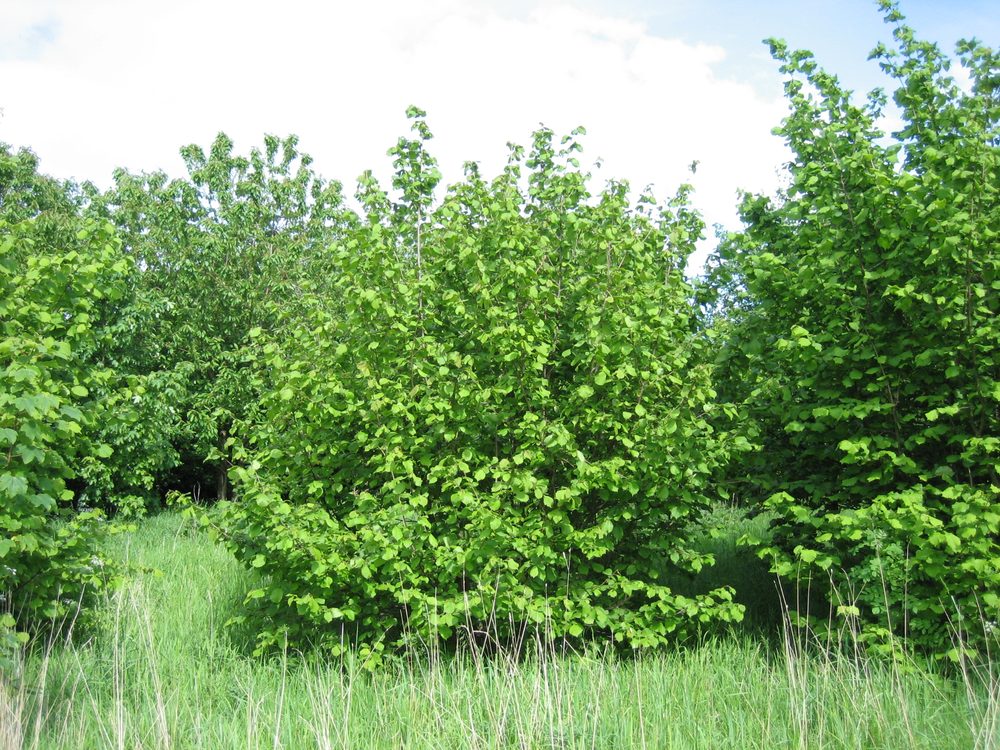
General Description
The shrubs usually grow 3–8 metres tall. The nut is round, in contrast to the longer filbert nut. Common hazel is native to Europe and Western Asia.
Family Context
The Betulaceae family is widely distributed in the Northern Hemisphere. Notable medicinal members include:
- Alnus rubra — 20 documented uses
- Betula alba — 17 documented uses
- Cherry Birch — 16 documented uses
- Black Alder — 10 documented uses
Geographic Distribution
English Filbert has been recorded in 10 countries and territories worldwide, including Austria, Belgium, Switzerland, Germany, France, and others.
Traditional Uses
English Filbert has been traditionally used for cardiovascular health.
Cardiovascular health.
- Hypotension
Active Compounds
Phytochemical research has identified 30 compounds in this species, including a diverse array of phytochemical classes (see the Complete Chemical Inventory below for the full list).
The identified compounds include the following categories:
- Flavonoid: antioxidant compounds that protect cells from oxidative damage
- Phenolic: antioxidant compounds that neutralize free radicals
- Sterol: cholesterol-like compounds with anti-inflammatory properties