Botanical Overview
Butterweed (Conyza canadensis) is a species in the Asteraceae family. The daisy family (Asteraceae) is one of the largest plant families, characterized by composite flower heads (capitula) that contain many small florets surrounded by bracts. Plants range from tiny alpine herbs to large tropical trees. The family includes many medicinally important species with bitter compounds and essential oils. Although comprehensive ethnobotanical records are limited, phytochemical studies have identified 17 compounds in this species, suggesting potential medicinal value.
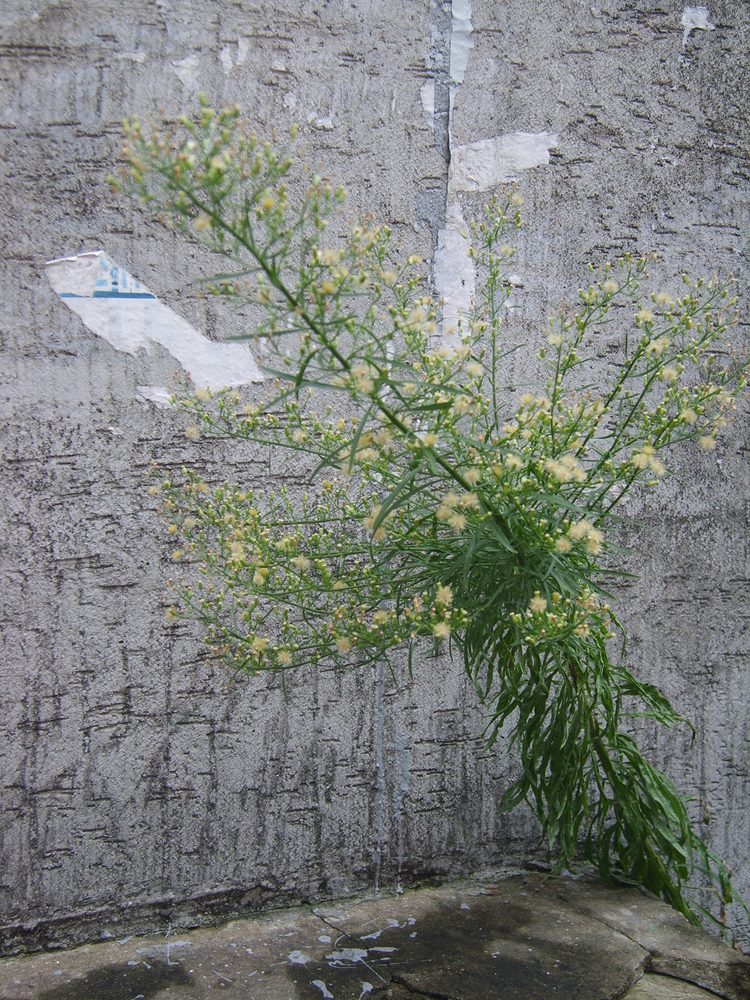
General Description
It is also widely naturalized in Eurasia and Australia. Common names include horseweed, Canadian horseweed, Canadian fleabane, coltstail, marestail, and butterweed. It was the first weed to have developed glyphosate resistance, reported in 2001 from Delaware.
Family Context
The Asteraceae family is extremely large and diverse. Notable medicinal members include:
- Yarrow — 63 documented uses
- Gobo — 63 documented uses
- Mugwort — 55 documented uses
- Sunflower — 52 documented uses
Geographic Distribution
Butterweed has been recorded in 10 countries and territories worldwide, including Belgium, Switzerland, Czech Republic, Germany, Denmark, and others.
Active Compounds
Phytochemical research has identified 17 compounds in this species, including a diverse array of phytochemical classes (see the Complete Chemical Inventory below for the full list).
The identified compounds include the following categories:
- Sterol: cholesterol-like compounds with anti-inflammatory properties
- Alkaloid: nitrogenous compounds with diverse pharmacological activities
- Tannin: astringent compounds that tighten tissues and resist infection
Research Status
Although this species has documented phytochemical constituents, its ethnobotanical and clinical documentation remains incomplete. The limited documentation available for this species represents an opportunity for ethnobotanical research.