Botanical Overview
Conium chaerophylloides belongs to the Apiaceae family. Limited but reliable traditional records indicate this plant has recognized medicinal applications in one or more healing traditions. The carrot family (Apiaceae) includes herbs with hollow stems, alternate leaves, and distinctive umbrella-shaped flower clusters called umbels. Many species have aromatic roots and seeds used as culinary spices and medicines. The family includes both nutritious vegetables and highly toxic species.
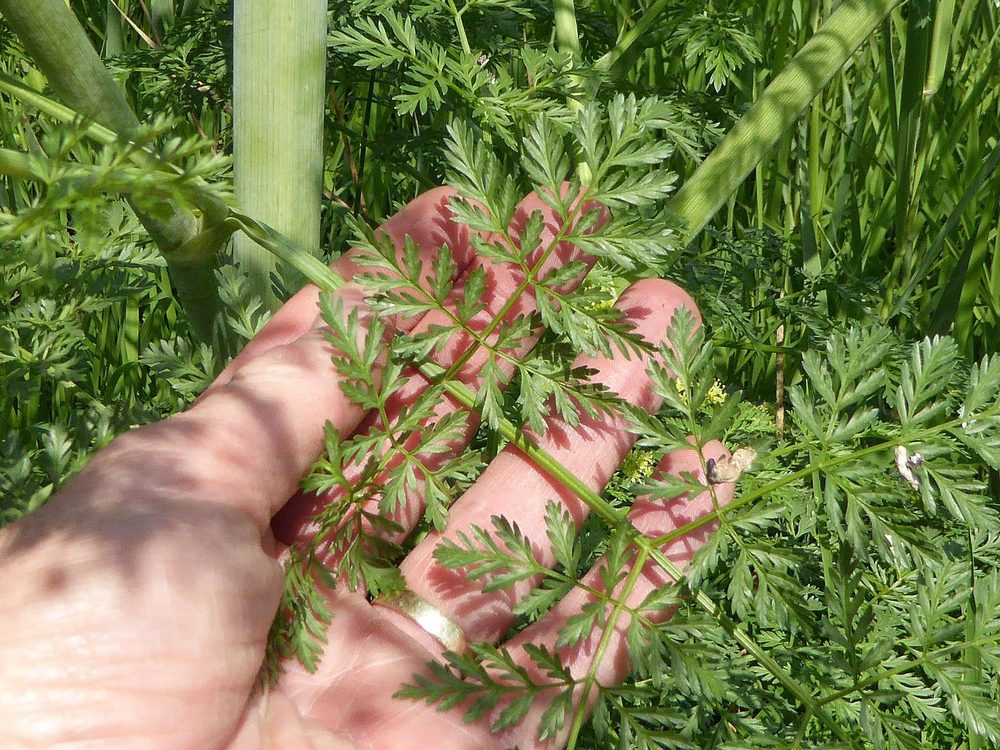
Family Context
The Apiaceae family is widely distributed in temperate regions. Notable medicinal members include:
- Fennel — 60 documented uses
- Coriander — 43 documented uses
- Gotu Kola — 41 documented uses
- Ajwan — 41 documented uses
Geographic Distribution
Conium chaerophylloides has been recorded in Belgium, Lesotho, South Africa, and ZZ.
Traditional Uses
Conium chaerophylloides has been traditionally used for fever management.
Fever management.
- Fever
Febrifuge preparations are typically administered as hot teas to induce perspiration, which helps the body regulate temperature. The patient is kept warm and encouraged to rest while the herb promotes sweating.
Active Compounds
Phytochemical research has identified 2 compounds in this species: coniine, methyl-coniine.
The identified compounds include the following categories:
- Alkaloid: nitrogenous compounds with diverse pharmacological activities