Botanical Overview
Comptonia peregrina belongs to the Myricaceae family. While not among the most extensively documented medicinal plants, this species has recorded uses that warrant attention from researchers and practitioners. This species belongs to the Myricaceae family, a group of flowering plants.
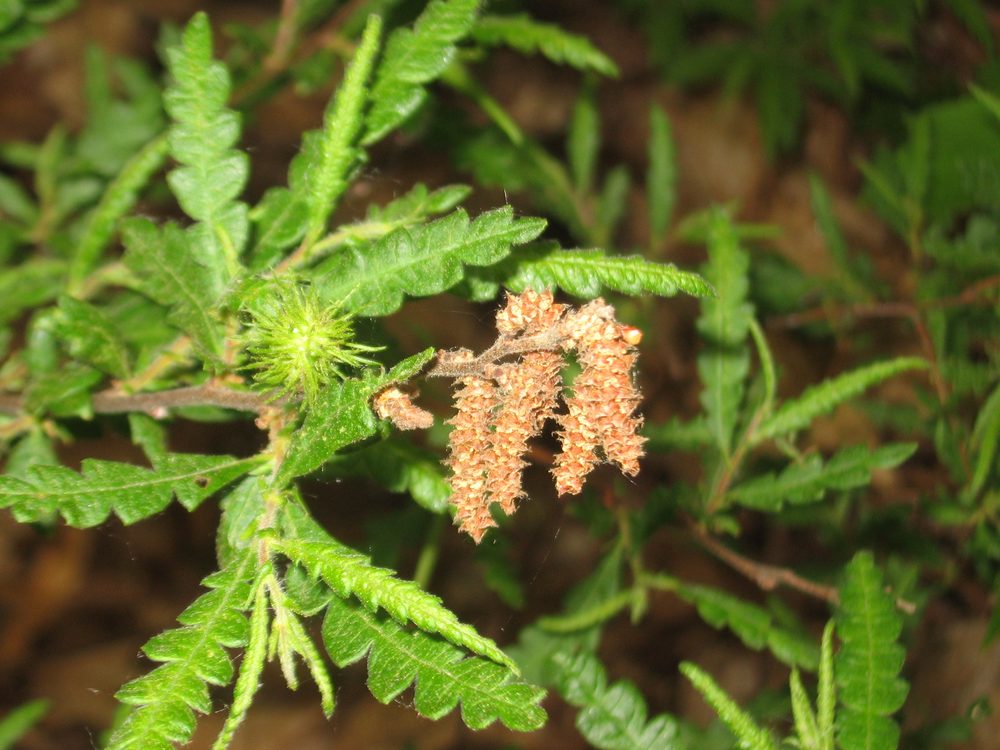
General Description
It is the only extant (living) species in the genus Comptonia, although some extinct species are placed in the genus.
Family Context
The Myricaceae family is widely distributed. Notable medicinal members include:
- Bayberry — 25 documented uses
Geographic Distribution
Comptonia peregrina has been recorded in 10 countries and territories worldwide, including Belgium, Canada, Czech Republic, Germany, France, and others.
Traditional Uses
Comptonia peregrina has been traditionally used for digestive health, pain and inflammation, and fever management, among other applications.
Digestive health.
- Colic
- Diarrhea
For digestive complaints, the herb is typically prepared as a tea or decoction taken before meals. The bitter compounds stimulate digestive secretions and improve nutrient absorption. Some traditions use the powdered root or leaves in small doses as a stomachic tonic.
Pain and inflammation.
- Rheumatism
For pain and inflammation, preparations are applied both topically as compresses and taken internally. A warm poultice draws blood to the area and promotes healing, while internal preparations address systemic inflammation.
Fever management.
- Fever
Febrifuge preparations are typically administered as hot teas to induce perspiration, which helps the body regulate temperature. The patient is kept warm and encouraged to rest while the herb promotes sweating.
Active Compounds
Phytochemical research has identified 1 compound in this species: betulin.