Botanical Overview
Benghal dayflower (Commelina benghalensis) belongs to the Commelinaceae family. While not among the most extensively documented medicinal plants, this species has recorded uses that warrant attention from researchers and practitioners. This species belongs to the Commelinaceae family, a group of flowering plants.
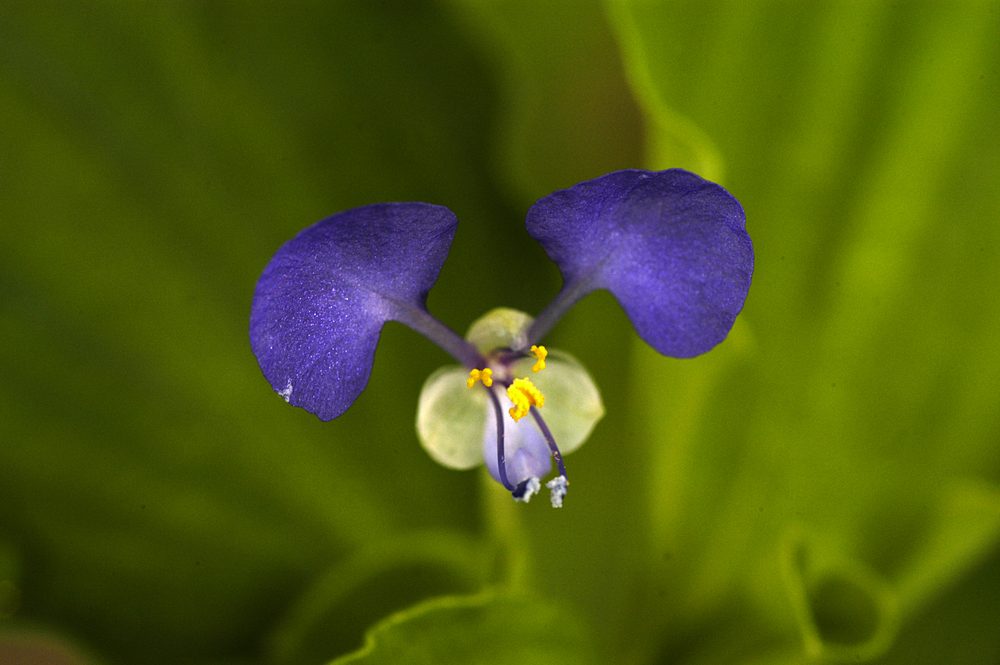
General Description
It has been widely introduced to areas outside its native range, including to the neotropics, Hawaii, the West Indies and to both coasts of North America. It has a long flowering period, from spring to fall in subtropical areas, and throughout the year closer to the equator. It is often associated with disturbed soils. In both it native range and areas where it has been introduced it is usually considered a weed, sometimes a serious one. In the United States it has been placed on the Federal Noxious Weed List. It is considered a moderate weed of rice cultivation in Asia. In its native range of sub-Saharan Africa, India, Sri Lanka, and much of Southeast Asia, it is considered a serious weed of an enormous range of crops from tea and coffee to cassava and peanuts. Additional agricultural damage is caused by the fact that it can host the nematode Meloidogyne incognita and the Groundnut rosette virus. In China it is used as a medicinal herb that is said to have diuretic, febrifugal and anti-inflammatory effects, while in Pakistan it is used to cure swellings of the skin, leprosy and as a laxative.
Family Context
The Commelinaceae family is widely distributed. Notable medicinal members include:
- Common dayflower — 22 documented uses
- Cordoban — 4 documented uses
Geographic Distribution
Benghal dayflower has been recorded in 10 countries and territories worldwide, including Australia, Benin, Brazil, Cameroon, China, and others.
Traditional Uses
Benghal dayflower has been traditionally used for skin and wound care.
Skin and wound care.
- Leprosy
For skin conditions, the fresh or dried plant is applied topically as a poultice, wash, or compress. A strong decoction can be used to clean wounds and sores. The antimicrobial properties help prevent infection while promoting tissue repair.
Active Compounds
Phytochemical research has identified 15 compounds in this species, including a diverse array of phytochemical classes (see the Complete Chemical Inventory below for the full list).
The identified compounds include the following categories:
- Sterol: cholesterol-like compounds with anti-inflammatory properties