Botanical Overview
Ivy Gourd (Coccinia grandis) is a species in the Cucurbitaceae family. The gourd family (Cucurbitaceae) includes climbing or trailing vines with tendrils, large alternate leaves, and showy yellow or white flowers that are typically unisexual. The fruits are fleshy gourds, melons, or squashes with many seeds. Many species produce cucurbitacins, bitter compounds with purgative and anti-inflammatory activity. Although comprehensive ethnobotanical records are limited, phytochemical studies have identified 30 compounds in this species, suggesting potential medicinal value.
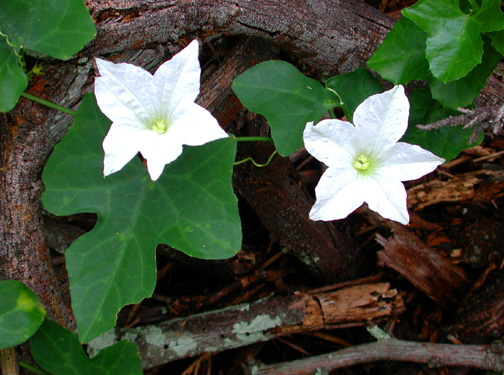
General Description
It grows primarily in tropical climates and is commonly found in the Indian states where it forms a part of the local cuisine. Coccinia grandis is cooked as a vegetable dish. In Southeast Asia, it is grown for its edible young shoots and edible fruits.
Family Context
The Cucurbitaceae family is widely distributed in tropical and subtropical regions. Notable medicinal members include:
- Bitter Melon — 88 documented uses
- Luffa — 41 documented uses
- Calabash Gourd — 38 documented uses
- Chinese Cucumber — 31 documented uses
Geographic Distribution
Ivy Gourd has been recorded in 10 countries and territories worldwide, including Australia, Indonesia, India, Malaysia, Philippines, and others.
Active Compounds
Phytochemical research has identified 30 compounds in this species, including a diverse array of phytochemical classes (see the Complete Chemical Inventory below for the full list).
The identified compounds include the following categories:
- Terpene: aromatic compounds with anti-inflammatory and antimicrobial properties
- Sterol: cholesterol-like compounds with anti-inflammatory properties
- Alkaloid: nitrogenous compounds with diverse pharmacological activities
Research Status
Although this species has documented phytochemical constituents, its ethnobotanical and clinical documentation remains incomplete. Additional phytochemical investigation could identify novel bioactive compounds in this plant.