Botanical Overview
Clinacanthus nutans belongs to the Acanthaceae family. While not among the most extensively documented medicinal plants, this species has recorded uses that warrant attention from researchers and practitioners. The acanthus family (Acanthaceae) includes herbs and shrubs with opposite leaves and showy, two-lipped flowers with prominent bracts. The fruits are explosive capsules that eject seeds when mature. Many species contain alkaloids and have traditional medicinal uses.
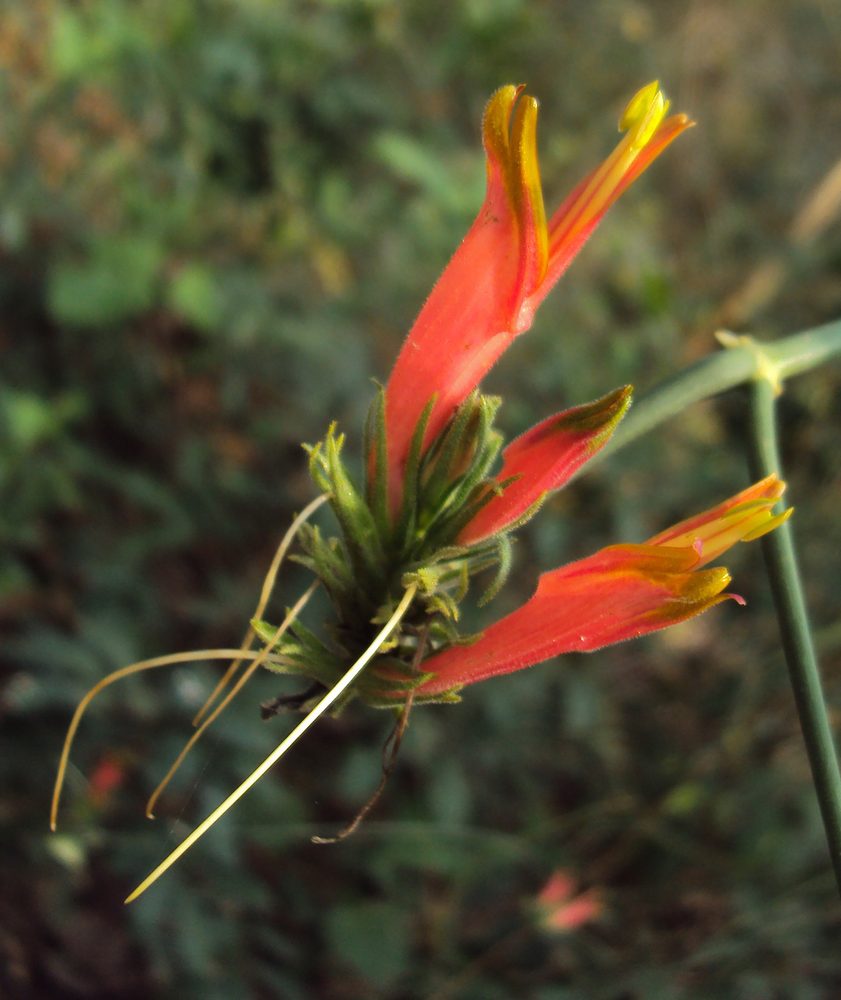
General Description
It is also known by the common names belalai gajah (Malay), phaya yo (Thai), Sabah snake grass, ki tajam (Sunda), and dandang gendis (Jawa). This plant is used in the traditional herbal medicines of Malaysia, Indonesia, Thailand, and China. It has been used in Indonesia in the treatment of dysentery and diabetes.
Family Context
The Acanthaceae family is widely distributed. Notable medicinal members include:
- Creat — 35 documented uses
- Gandarussa — 33 documented uses
- Justicia procumbens — 28 documented uses
- Angel Of Death — 19 documented uses
Geographic Distribution
Clinacanthus nutans has been recorded in 10 countries and territories worldwide, including China, Hong Kong, Indonesia, India, Laos, and others.
Traditional Uses
Clinacanthus nutans has been traditionally used for digestive health.
Digestive health.
- Dysentery
For digestive complaints, the herb is typically prepared as a tea or decoction taken before meals. The bitter compounds stimulate digestive secretions and improve nutrient absorption. Some traditions use the powdered root or leaves in small doses as a stomachic tonic.
Active Compounds
Phytochemical research has identified 1 compound in this species: betulin.