Botanical Overview
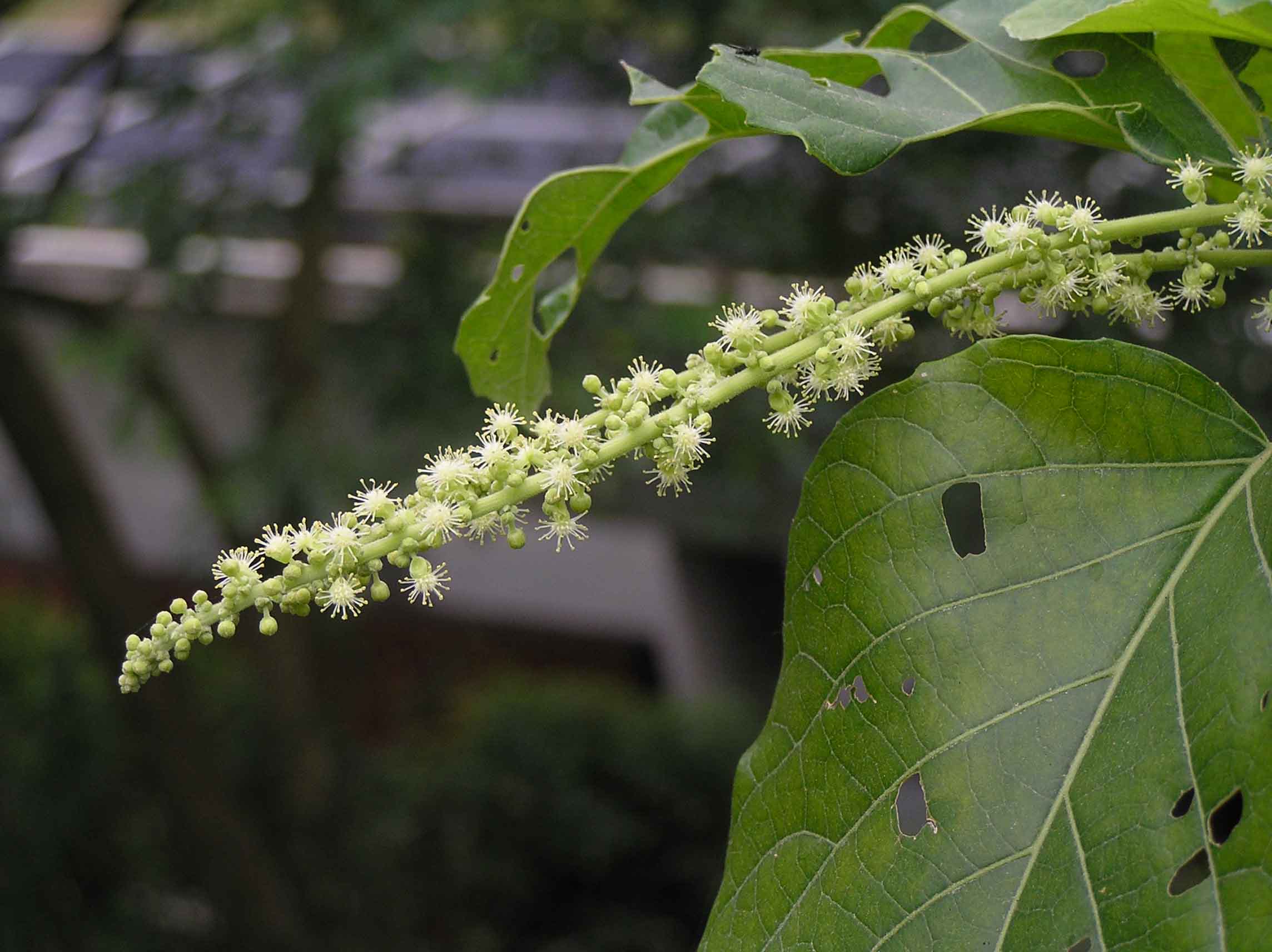
Claoxylon polot belongs to the Euphorbiaceae family. While not among the most extensively documented medicinal plants, this species has recorded uses that warrant attention from researchers and practitioners. The spurge family (Euphorbiaceae) includes an extremely diverse group of plants ranging from small herbs to large trees, many with milky sap that can be irritating or toxic. The flowers are typically small and unisexual, often arranged in distinctive inflorescences. Many species contain diterpene esters and other bioactive compounds.
Family Context
The Euphorbiaceae family is large and globally distributed. Notable medicinal members include:
- Castorbean — 105 documented uses
- Physic Nut — 95 documented uses
- Queensland Asthma Herb — 53 documented uses
- Spanish Physic Nut — 45 documented uses
Geographic Distribution
Claoxylon polot has been recorded in 10 countries and territories worldwide, including China, CX, Hong Kong, Indonesia, India, and others.
Traditional Uses
Claoxylon polot has been traditionally used for digestive health.
Digestive health.
- Purgative
For digestive complaints, the herb is typically prepared as a tea or decoction taken before meals. The bitter compounds stimulate digestive secretions and improve nutrient absorption. Some traditions use the powdered root or leaves in small doses as a stomachic tonic.
Active Compounds
Phytochemical research has identified 1 compound in this species: betulinic-acid.